
Tour Destinations
Home - Destinations
Destinations
Uncover the Best of Sri Lanka
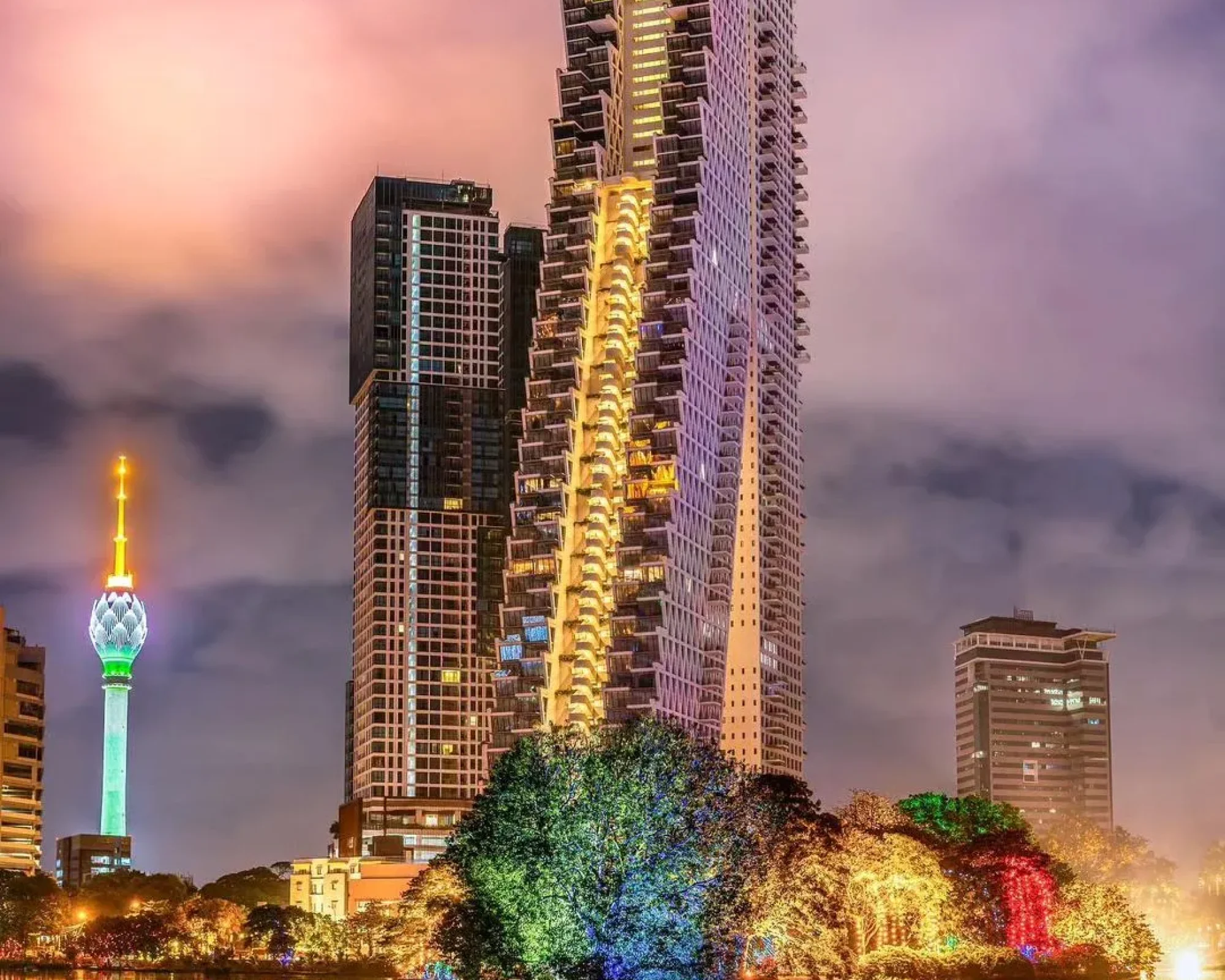
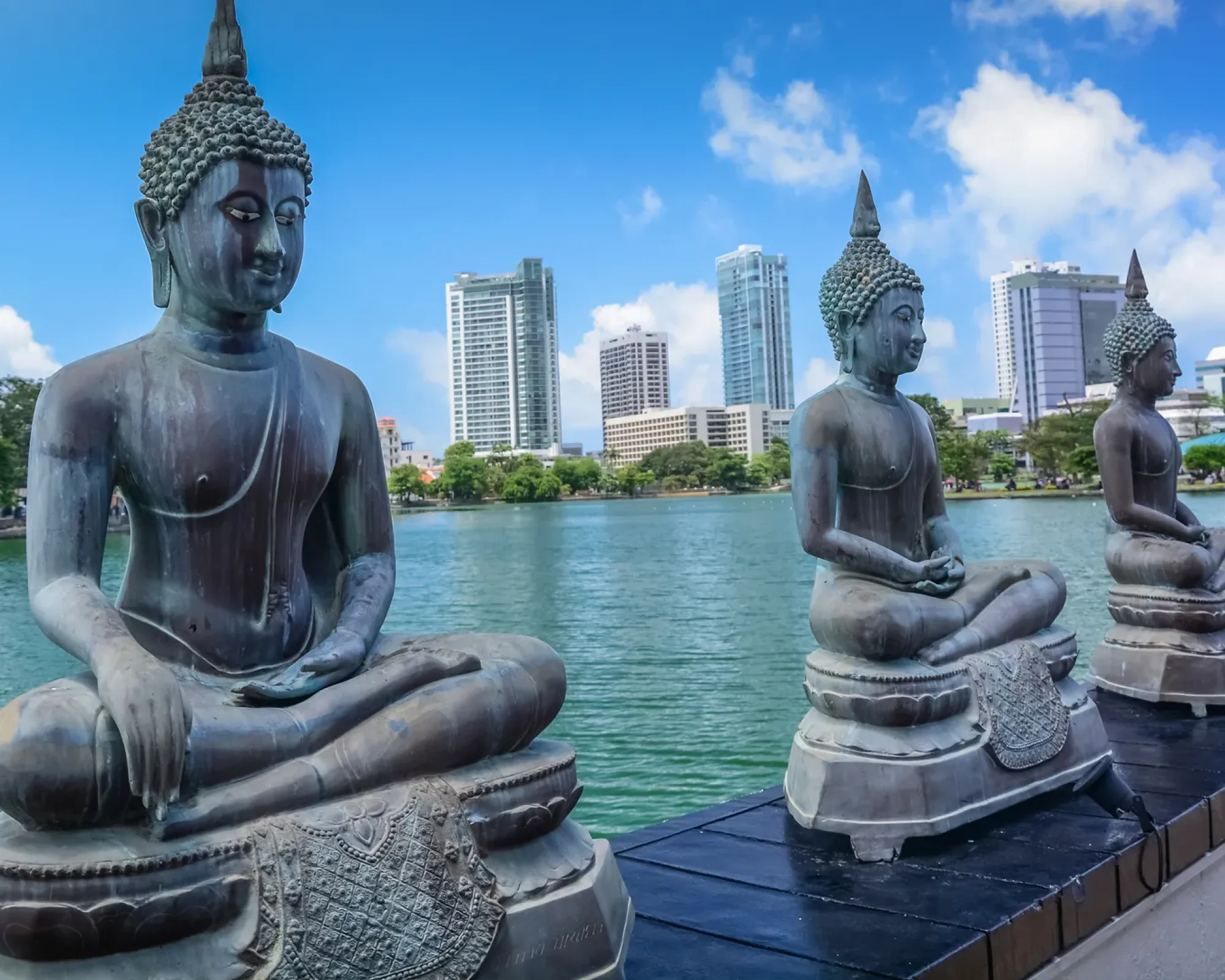
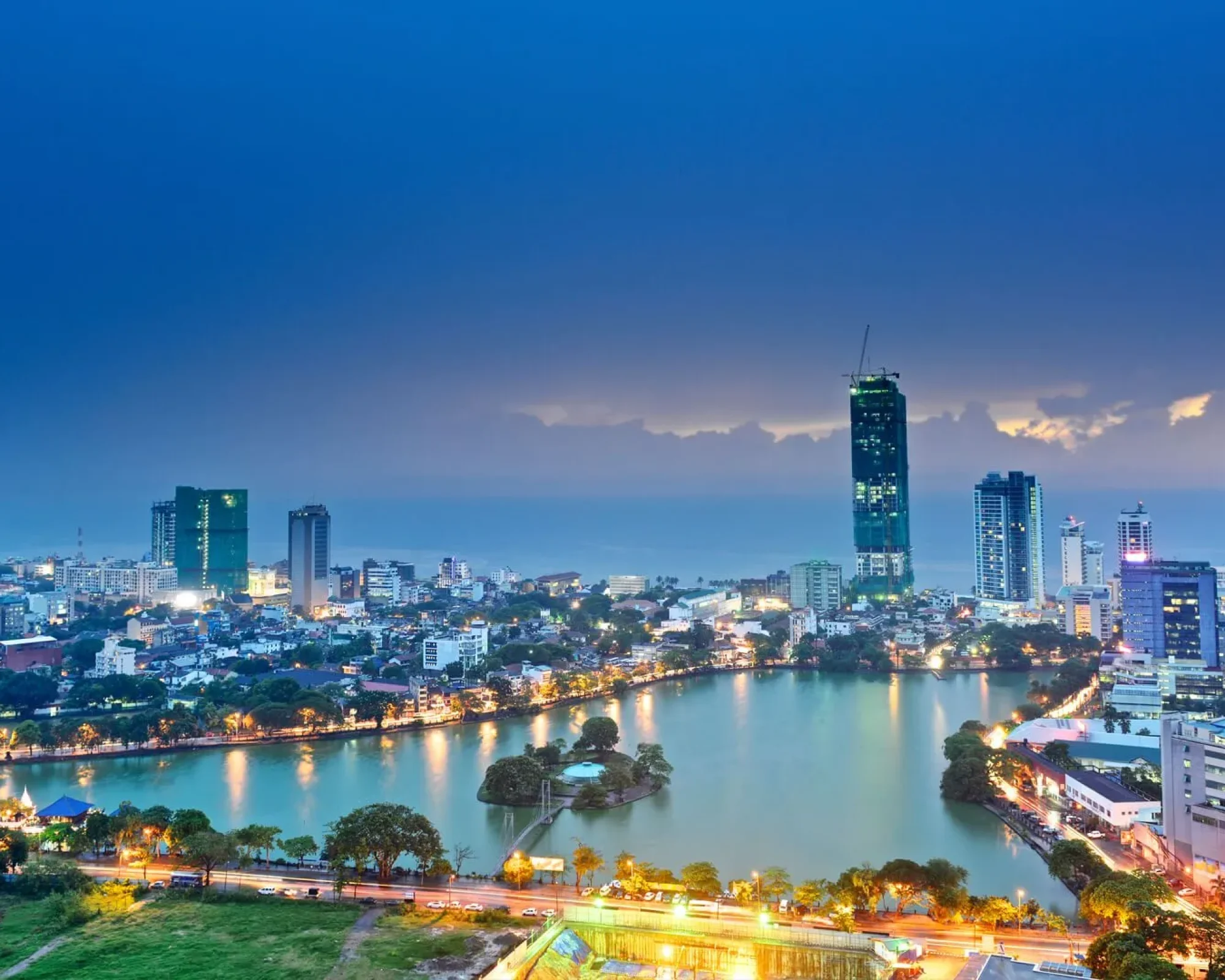
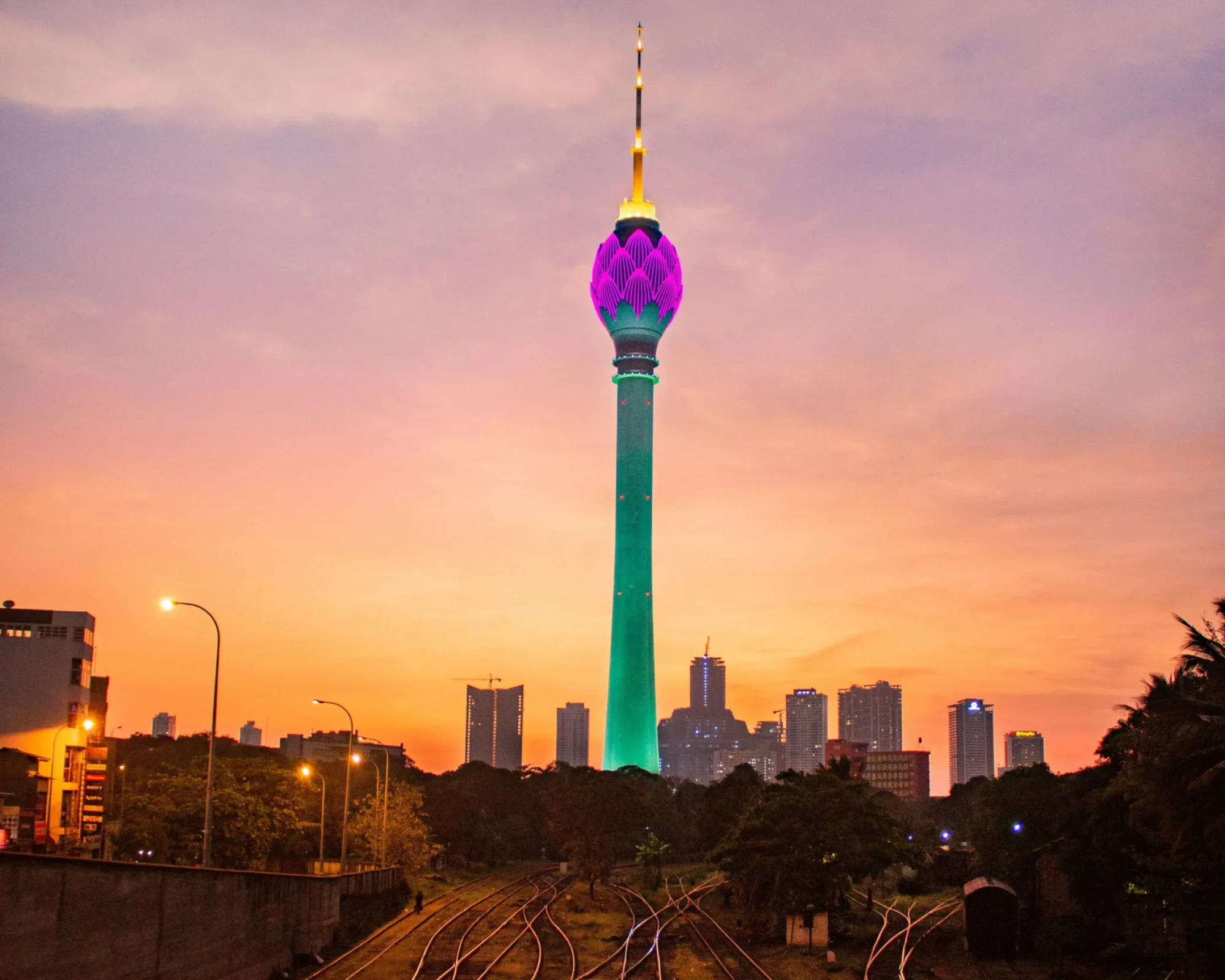
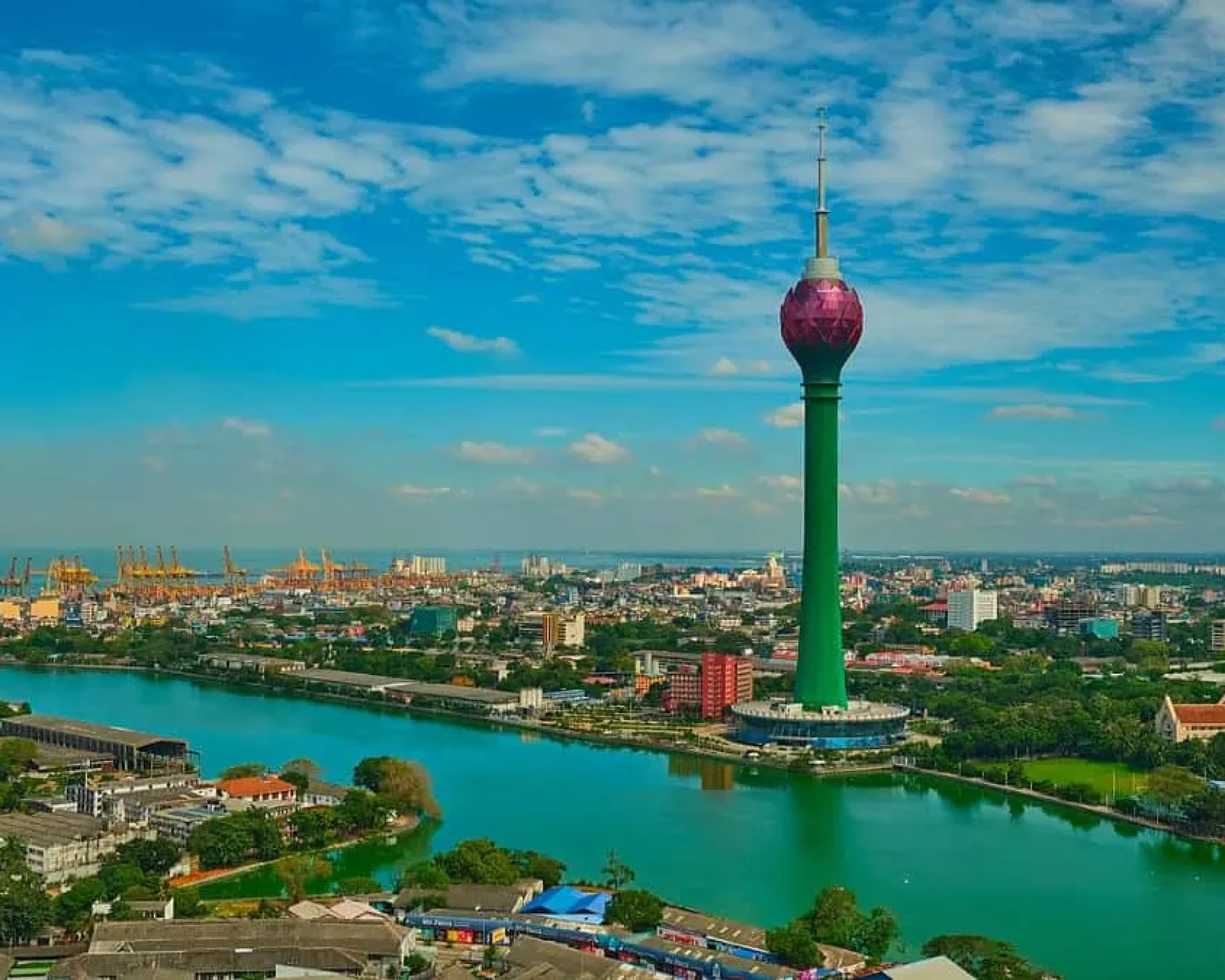
The Vibrant Coastal Capital
Colombo is the capital city of Sri Lanka and its main centre for business, government, and culture. Situated on the western coast of the island, the city plays an important role in connecting Sri Lanka to the rest of the world. Colombo has a long history shaped by local traditions and colonial influences from the Portuguese, Dutch, and British, which can still be seen in its buildings, streets, and landmarks.
Today, Colombo is a modern and fast-developing city with offices, shopping malls, schools, and hospitals. At the same time, it offers many places to relax and enjoy daily life. Areas like Galle Face Green provide beautiful views of the Indian Ocean, while local markets and shopping streets show the busy and colourful side of the city. Colombo is also home to many religious and cultural sites, including Buddhist temples, Hindu kovils, churches, and mosques, reflecting the country’s diversity.
The city is well known for its wide range of food, from traditional Sri Lankan meals to international dishes. Festivals, public events, and everyday street life add energy and character to the city. With good transport facilities and easy access to other parts of the island, Colombo serves as the main gateway to Sri Lanka. It is a city where history and modern life come together, offering a unique experience for visitors and residents alike.
Golden Heritage
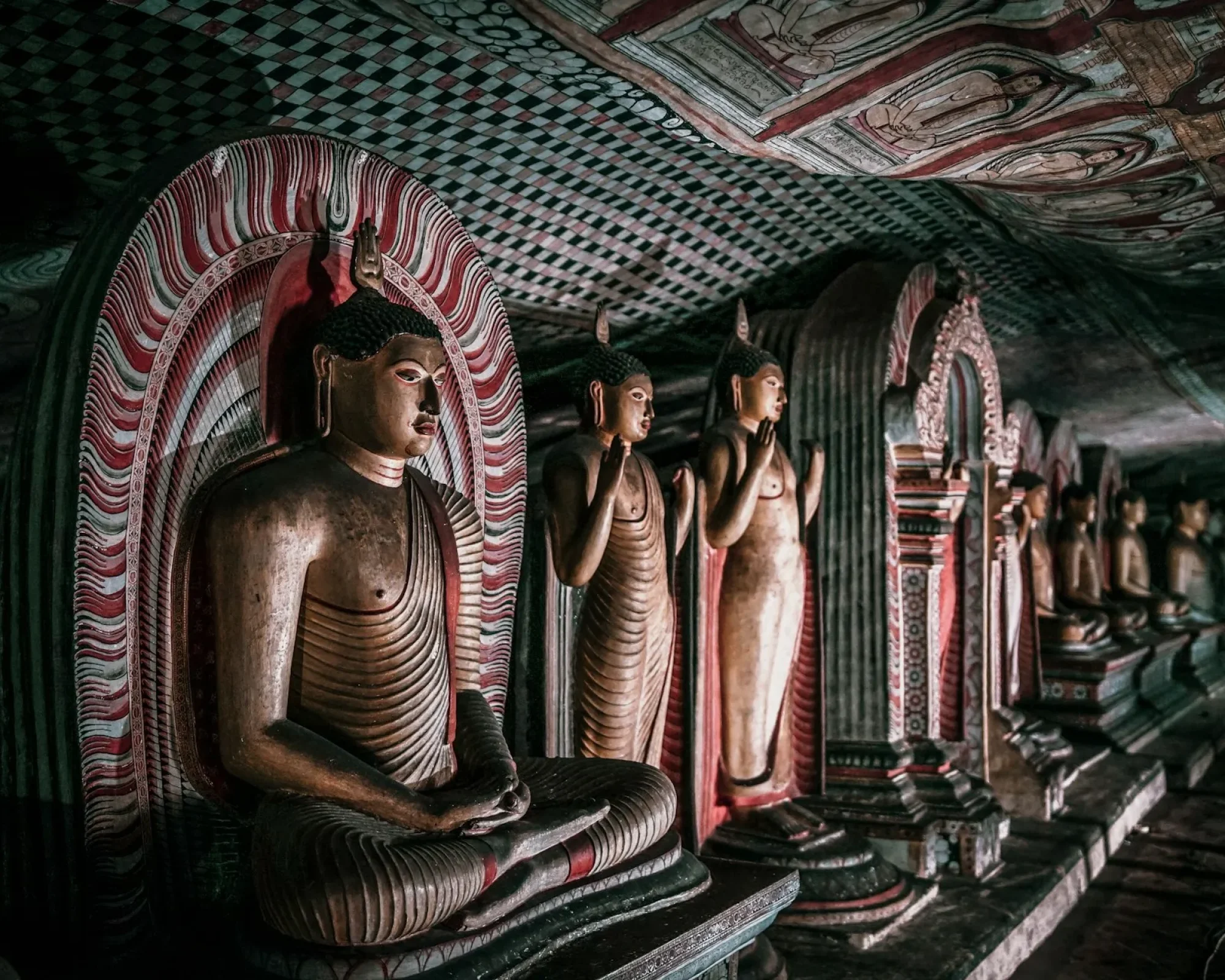
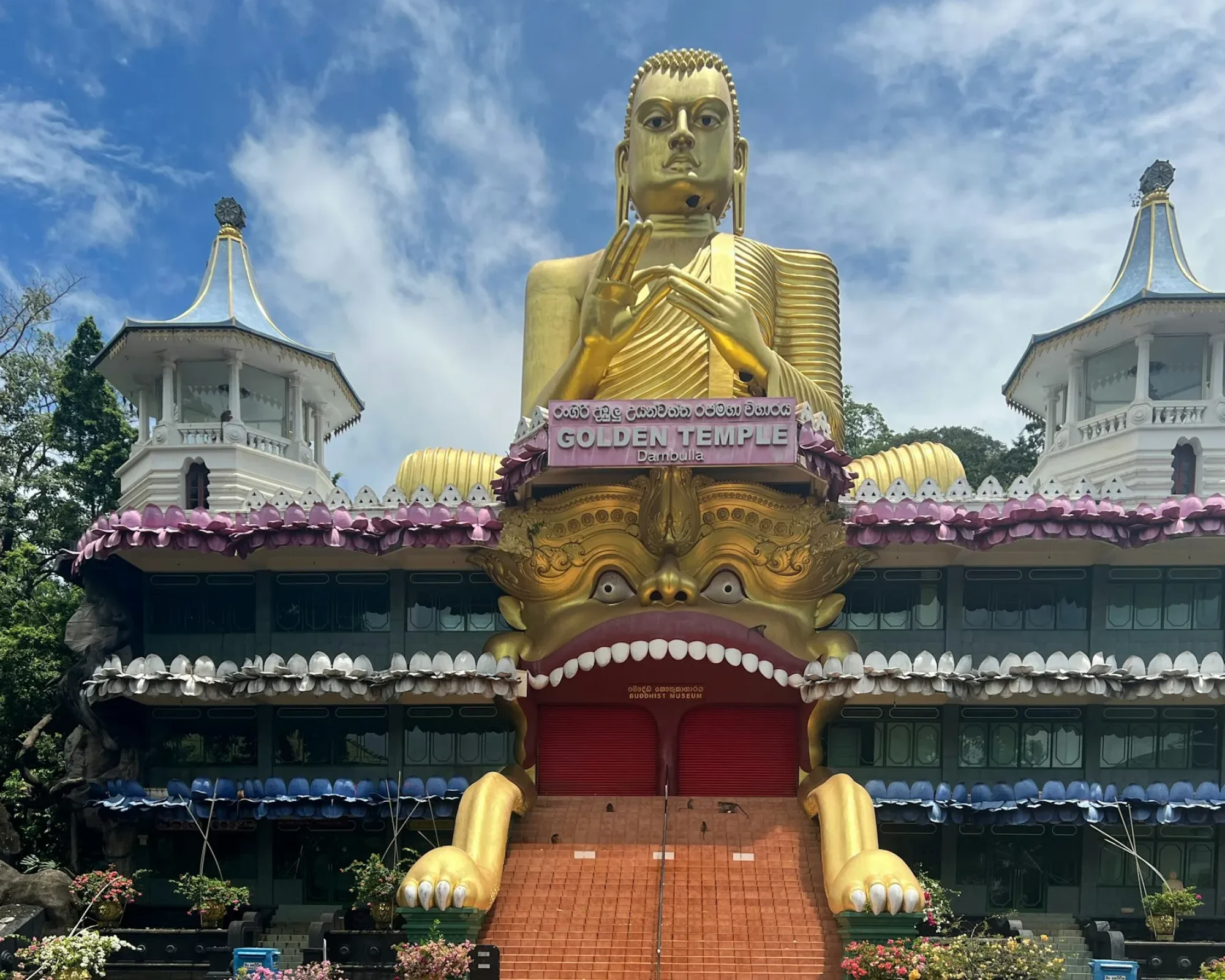
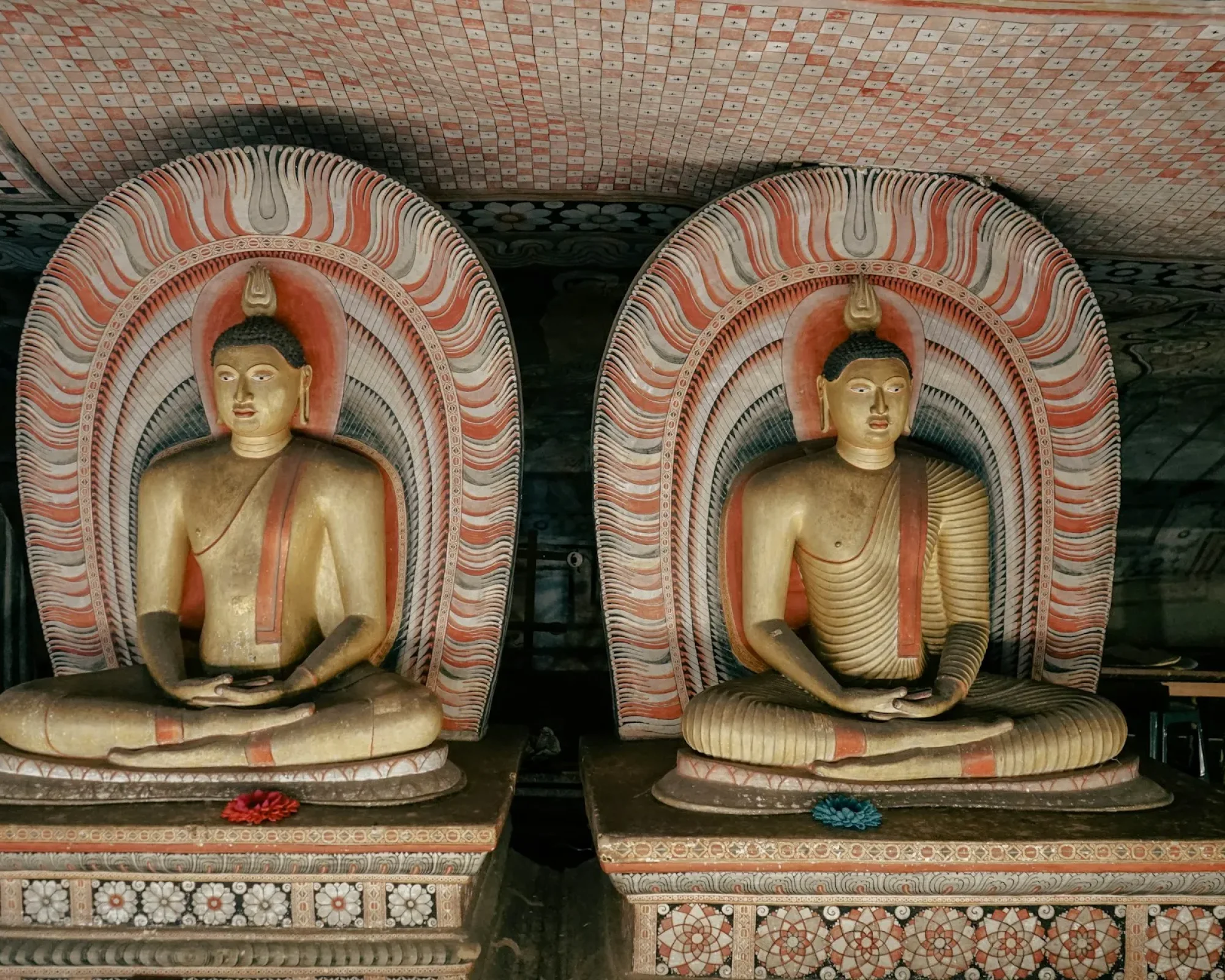
Dambulla is a historic town in central Sri Lanka, best known for the Dambulla Cave Temple, a UNESCO World Heritage Site and one of the most important Buddhist temples in the country. The temple complex is made up of five main caves carved into a large rock, each filled with ancient Buddha statues and beautifully preserved wall and ceiling paintings. These artworks, which date back over 2,000 years, illustrate scenes from the life of the Buddha and the history of Buddhism in Sri Lanka.
The Dambulla Cave Temple has been a place of worship and pilgrimage for centuries. The caves vary in size and design, with the largest cave containing dozens of Buddha statues in different poses. The calm atmosphere, combined with the spiritual significance and artistic detail, makes the temple a remarkable example of Sri Lanka’s religious and cultural heritage and a must-visit site for anyone exploring the country’s ancient history.
Sri Lanka’s Ancient Capital
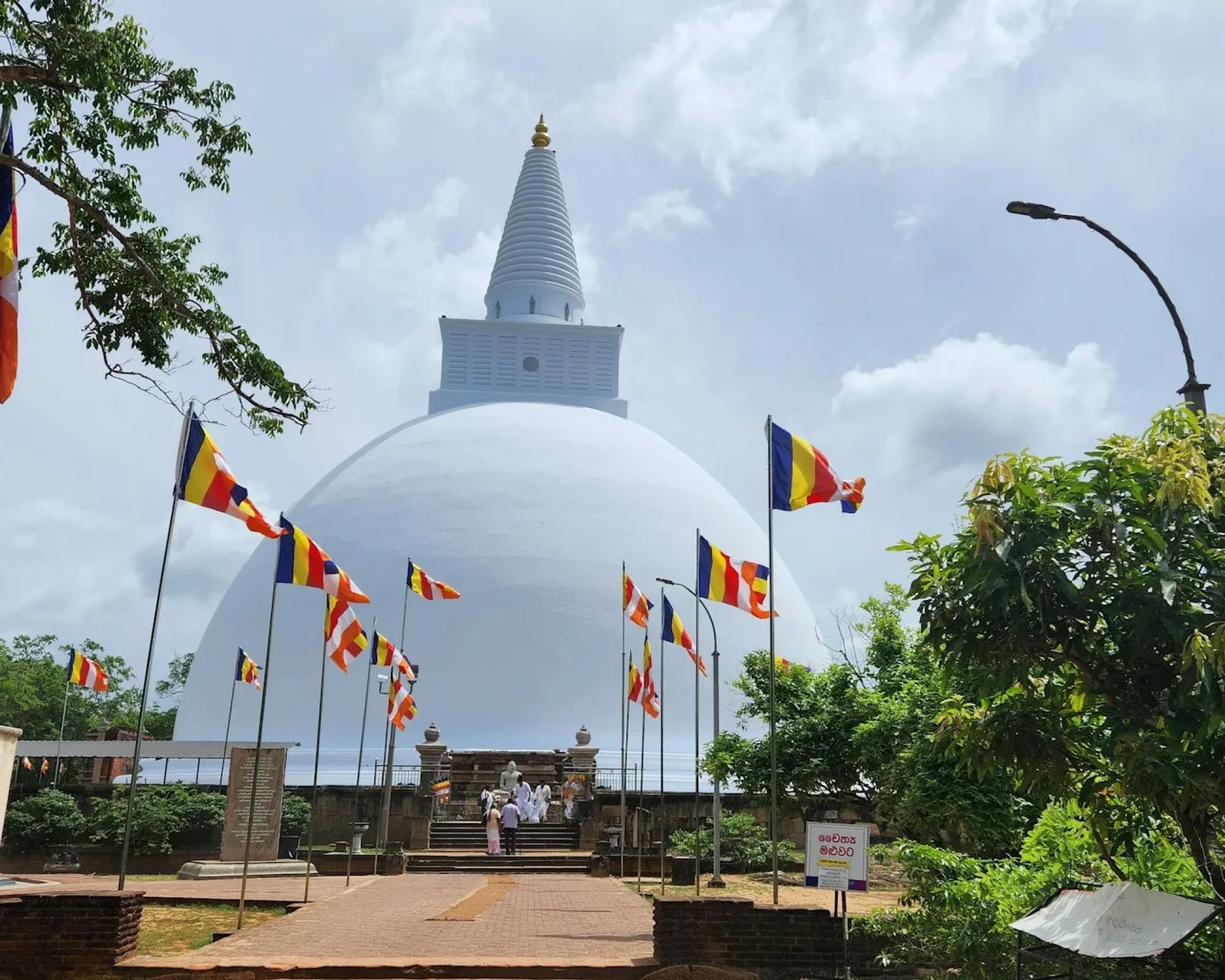
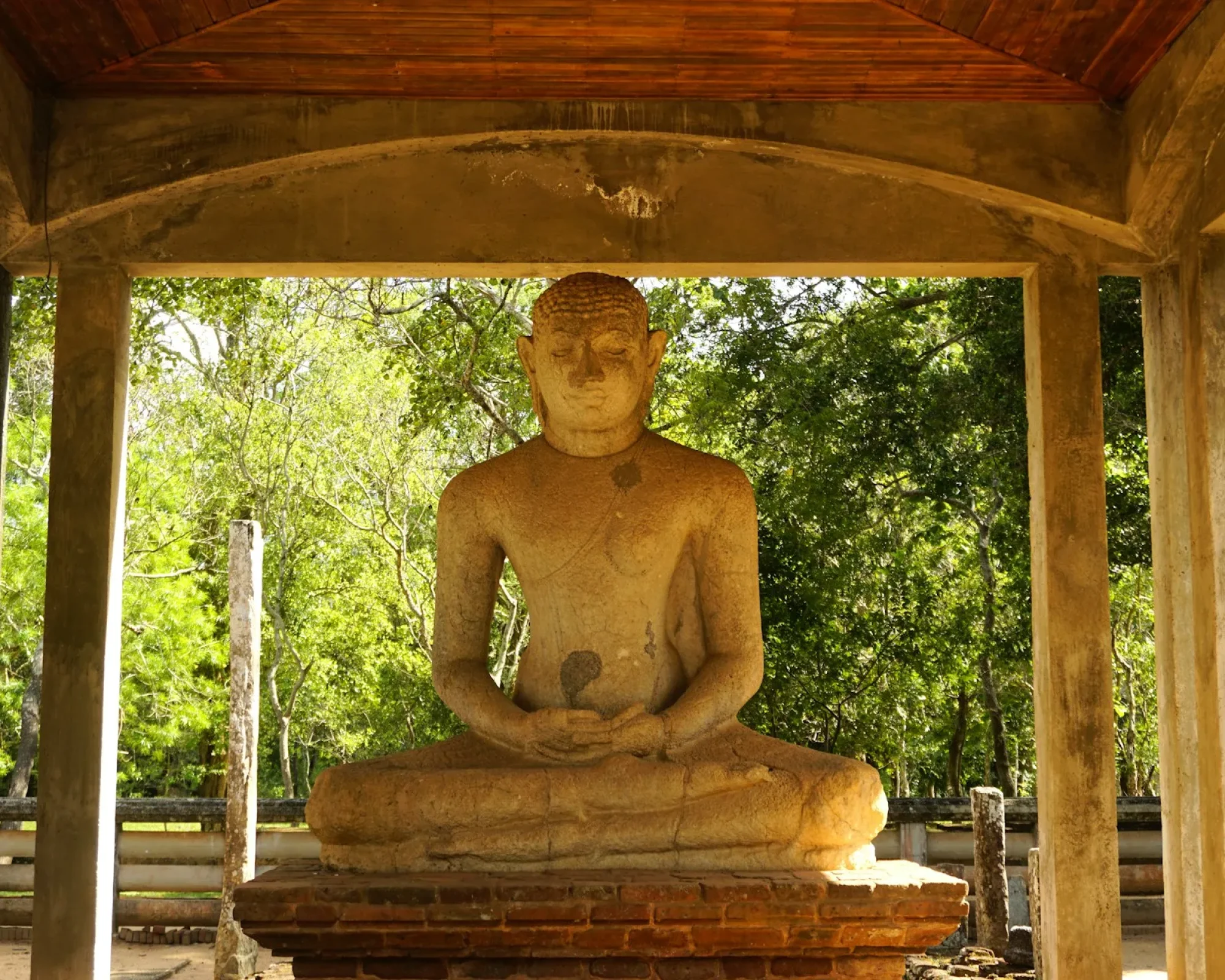
Anuradhapura is one of the oldest and most important cities in Sri Lanka, located in the North Central Province. It was the country’s first capital and remained a centre of power, culture, and religion for more than 1,300 years. Today, it is recognized as a UNESCO World Heritage site.
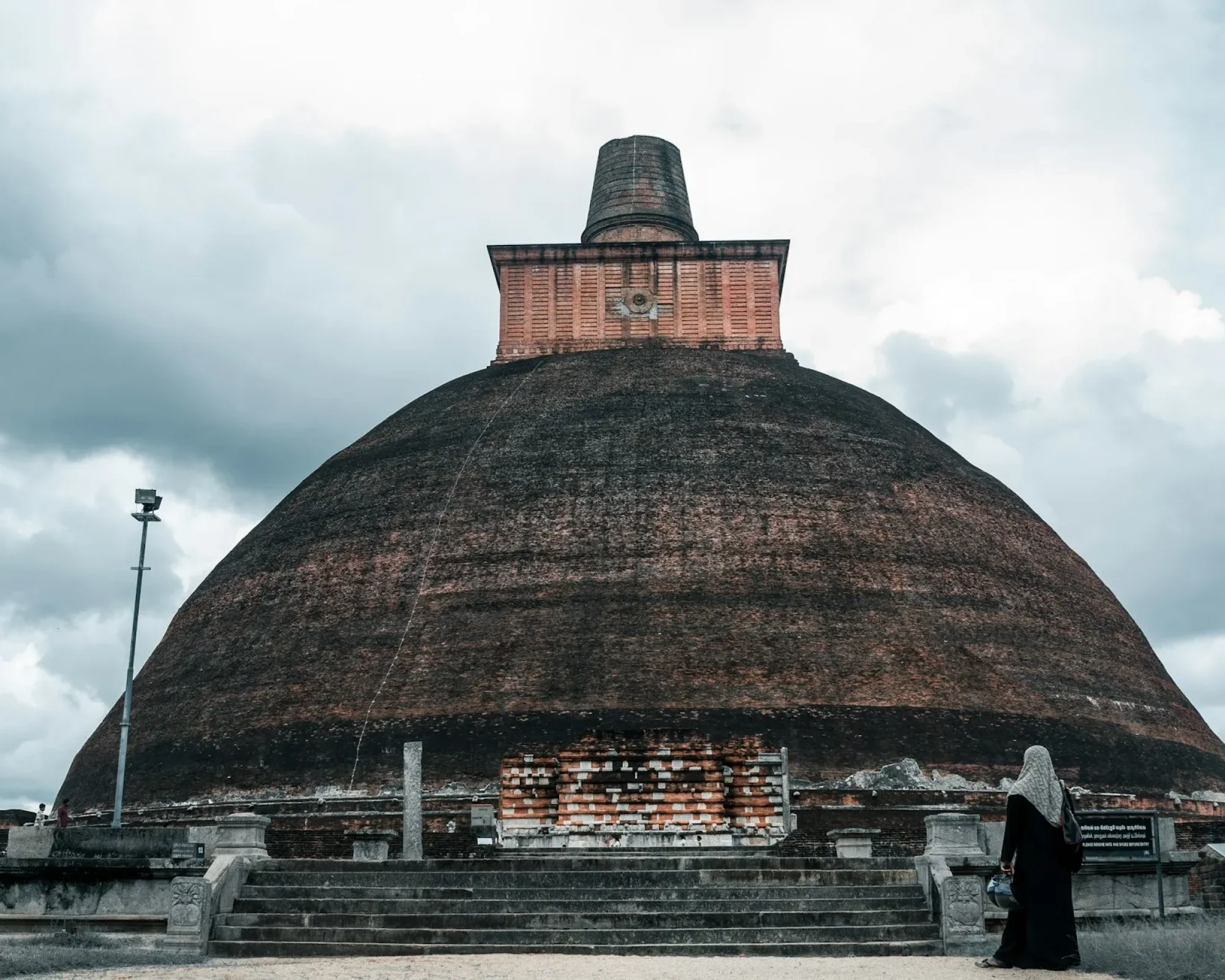
The city is well known for its ancient ruins, including massive stupas such as Ruwanwelisaya, Jetavanaramaya, and Abhayagiriya. These monuments show the advanced engineering, architecture, and planning skills of ancient Sri Lanka.
Anuradhapura is a sacred city for Buddhists. It is home to the Sri Maha Bodhi, a sacred fig tree grown from a branch of the tree under which the Buddha attained enlightenment. Pilgrims from around the world visit the city to worship and meditate.
The area also features ancient reservoirs, monasteries, and wide open spaces, creating a calm and peaceful environment. Anuradhapura offers visitors a deep understanding of Sri Lanka’s history, religion, and ancient way of life.
The Cultural Capital of Sri Lanka
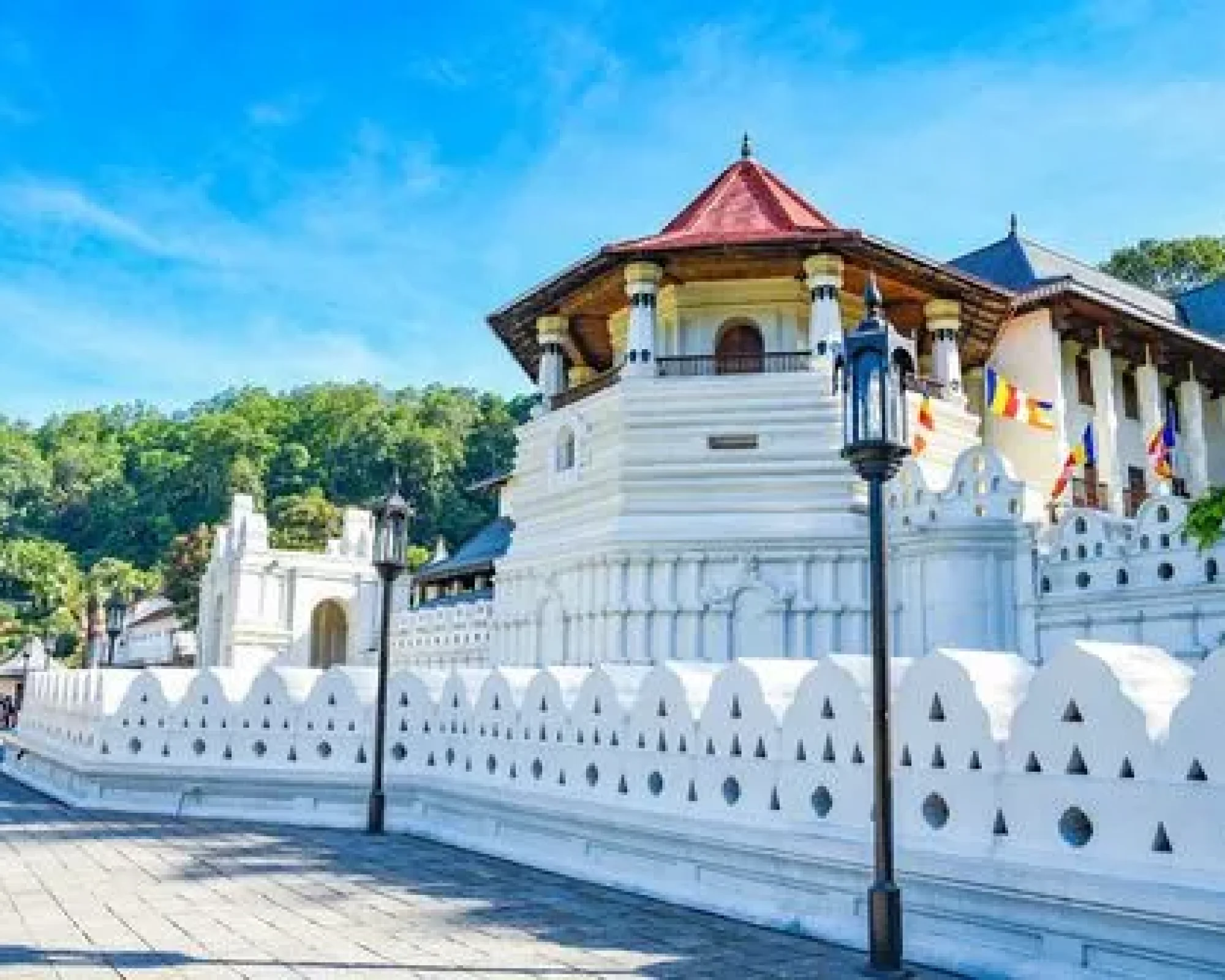
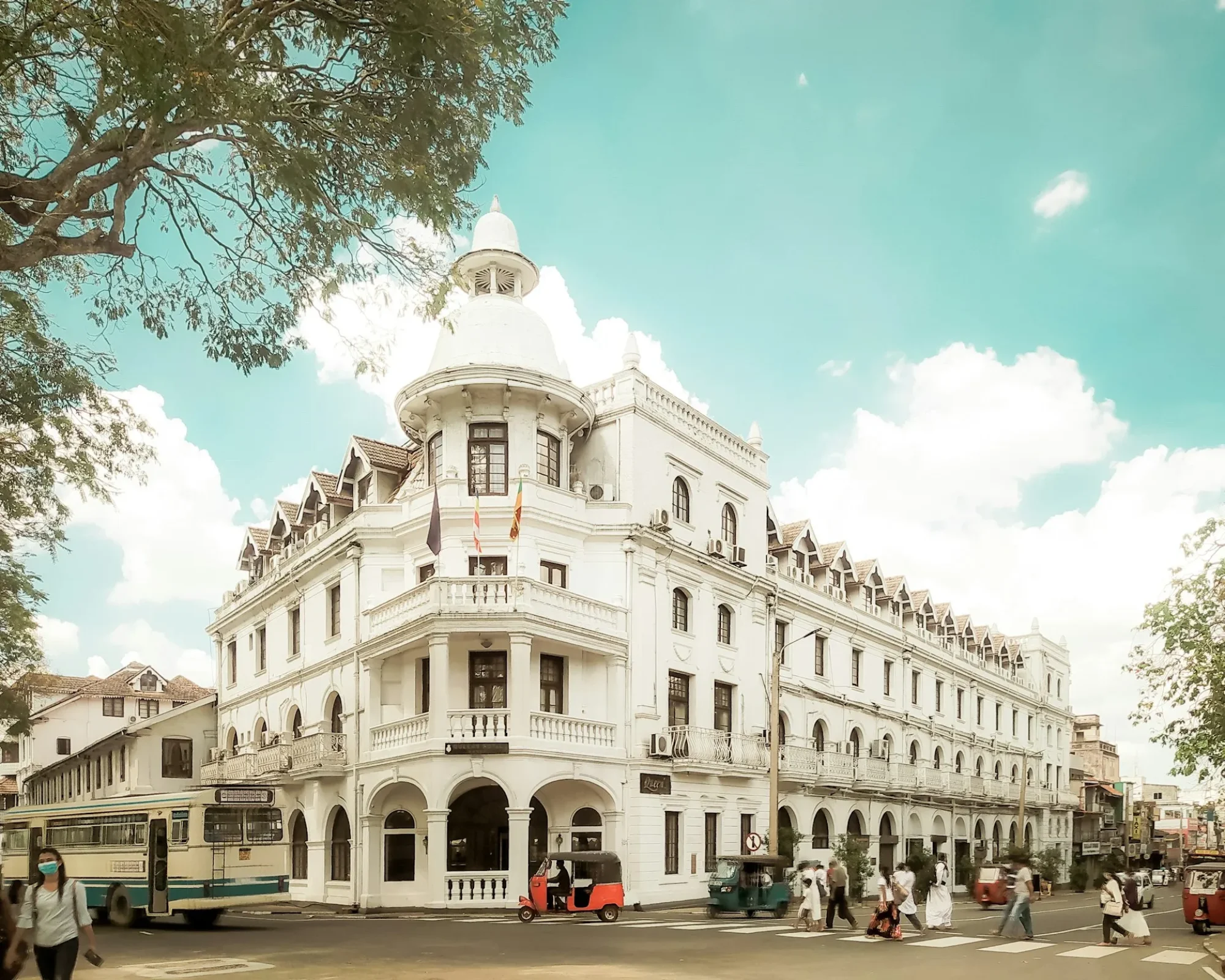
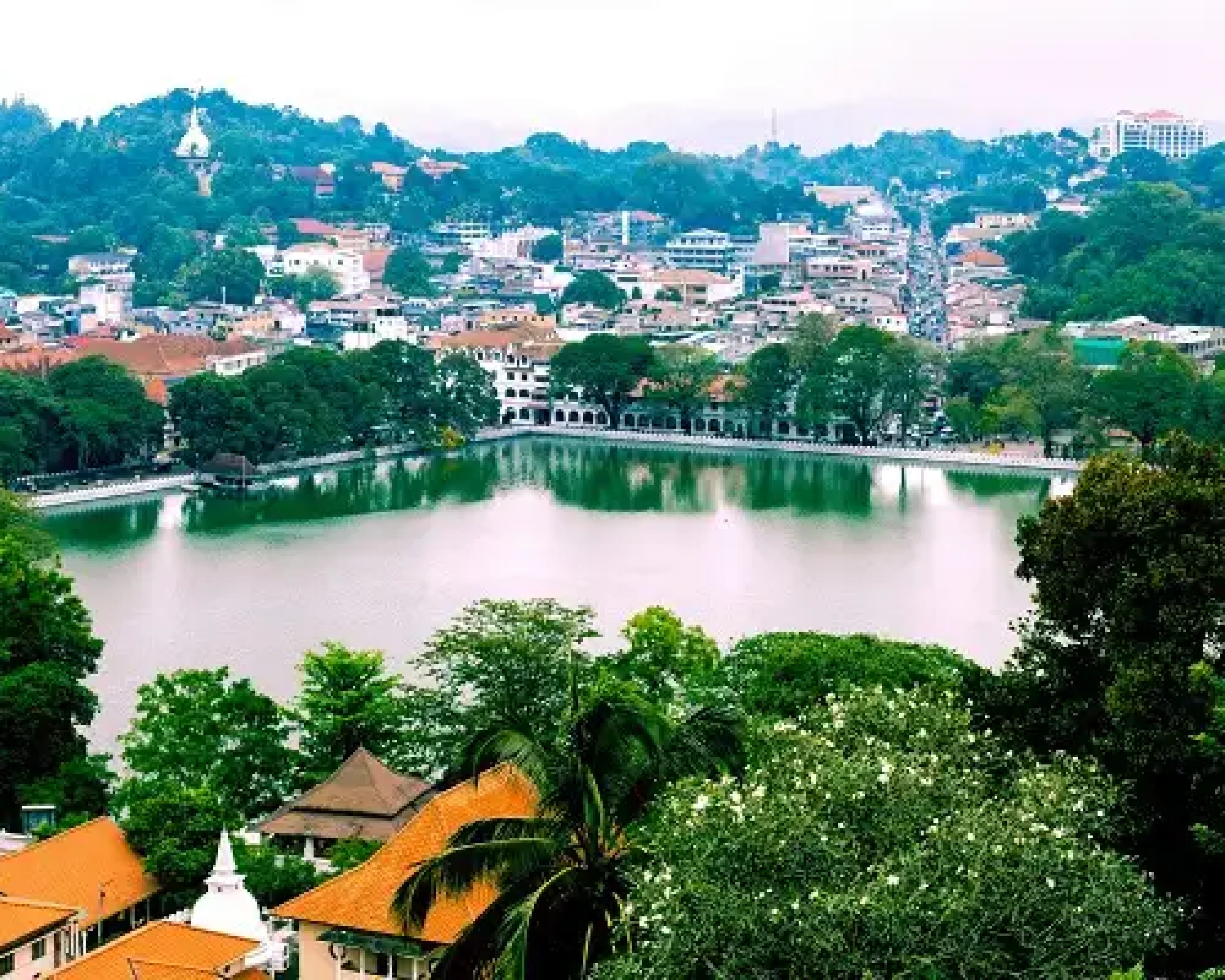
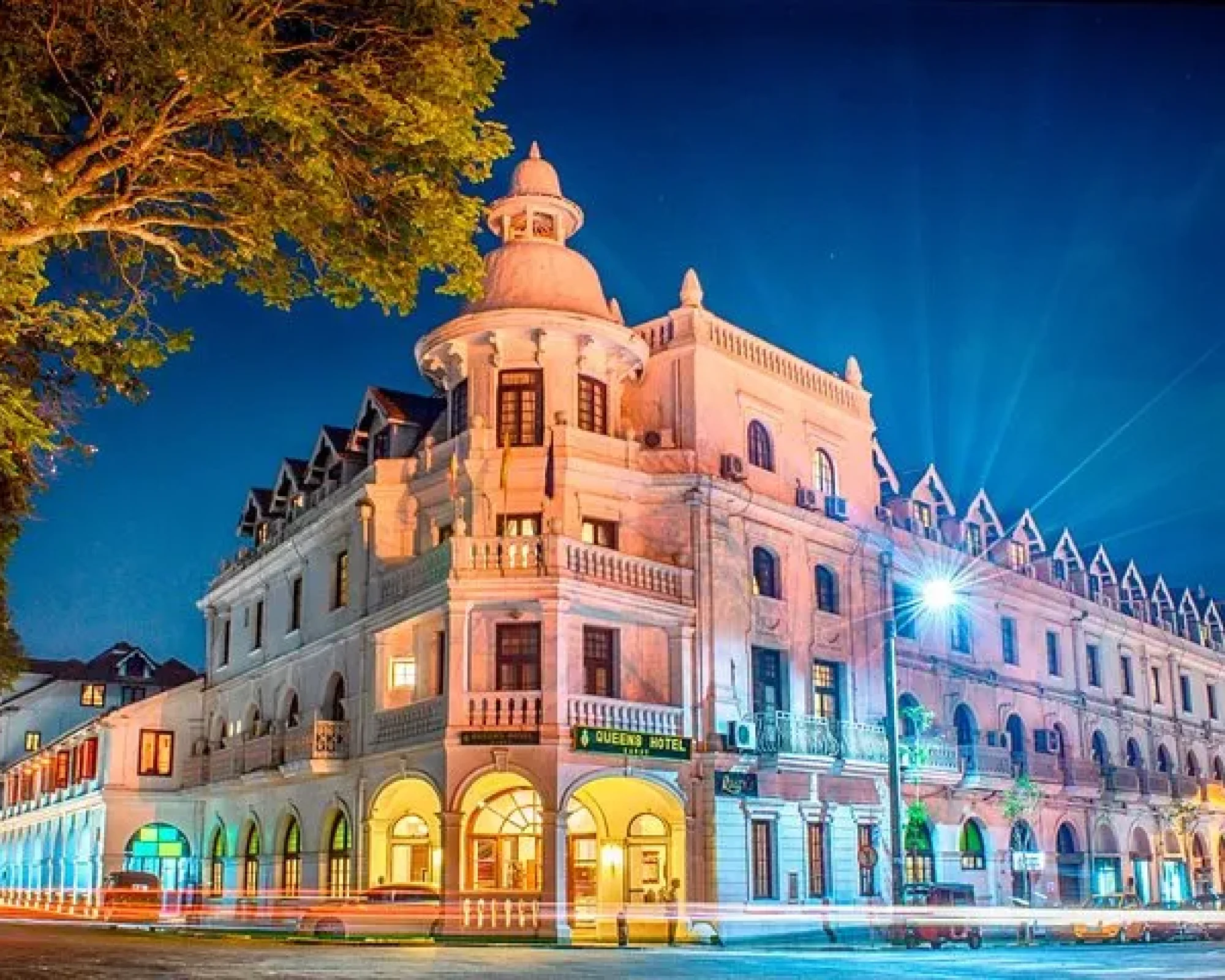
Kandy is a historic city located in Sri Lanka’s Central Highlands and is recognized as a UNESCO World Heritage site. It was the last royal capital of Sri Lanka and remains an important centre of culture, history, and tradition.
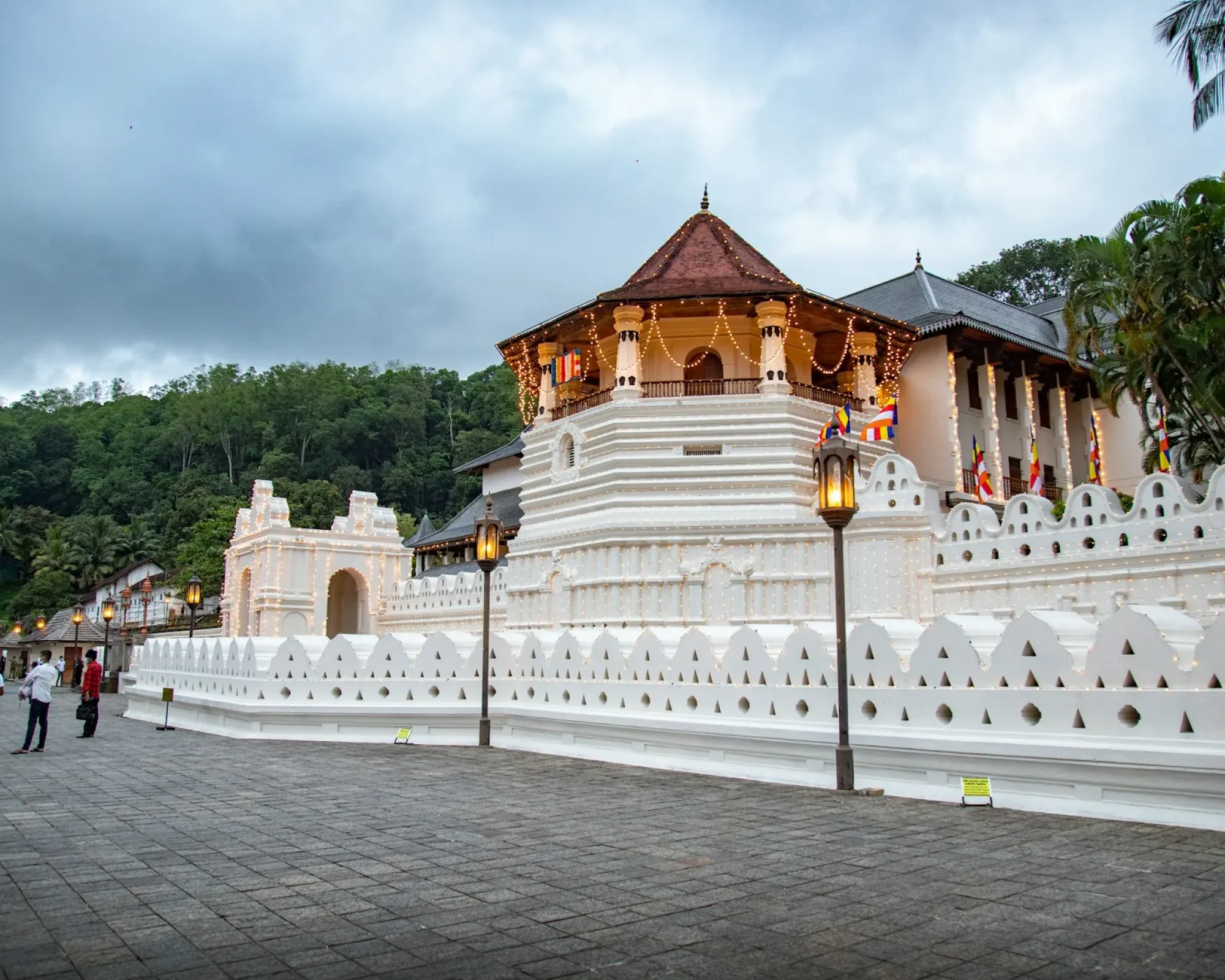
The city is most famous for the Temple of the Sacred Tooth Relic (Sri Dalada Maligawa), one of the most important Buddhist shrines in the world. The sacred tooth relic of the Buddha is kept here, making Kandy a major pilgrimage destination.
Surrounded by hills and centered around the scenic Kandy Lake, the city offers a pleasant climate and natural beauty. Traditional dance, music, and arts continue to thrive in Kandy, reflecting its rich cultural heritage.
Kandy is also known for the annual Esala Perahera, a grand cultural festival featuring decorated elephants, dancers, drummers, and fire performers. With its blend of history, spirituality, and scenic charm, Kandy is a must-visit destination in Sri Lanka
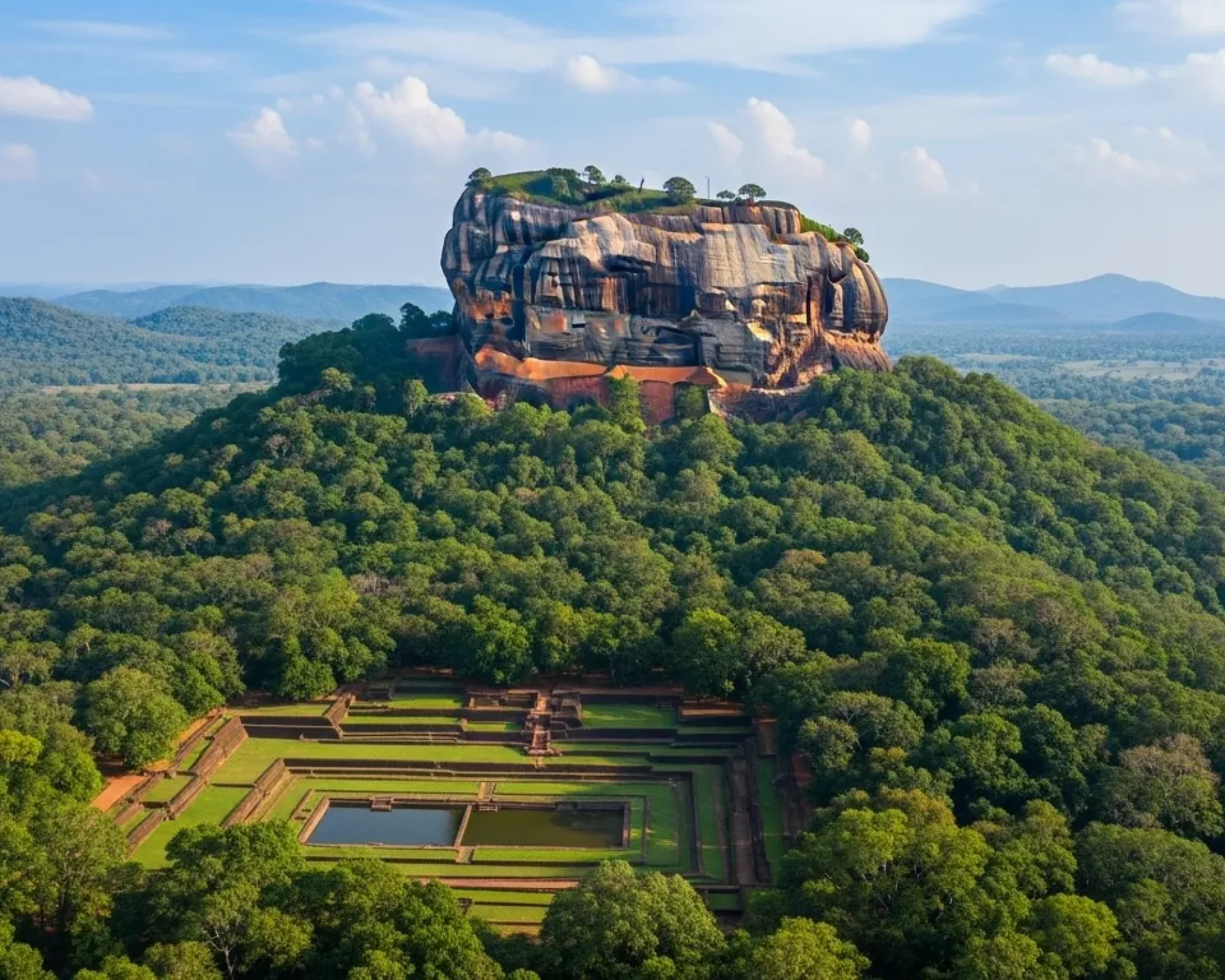
Ancient Majesty
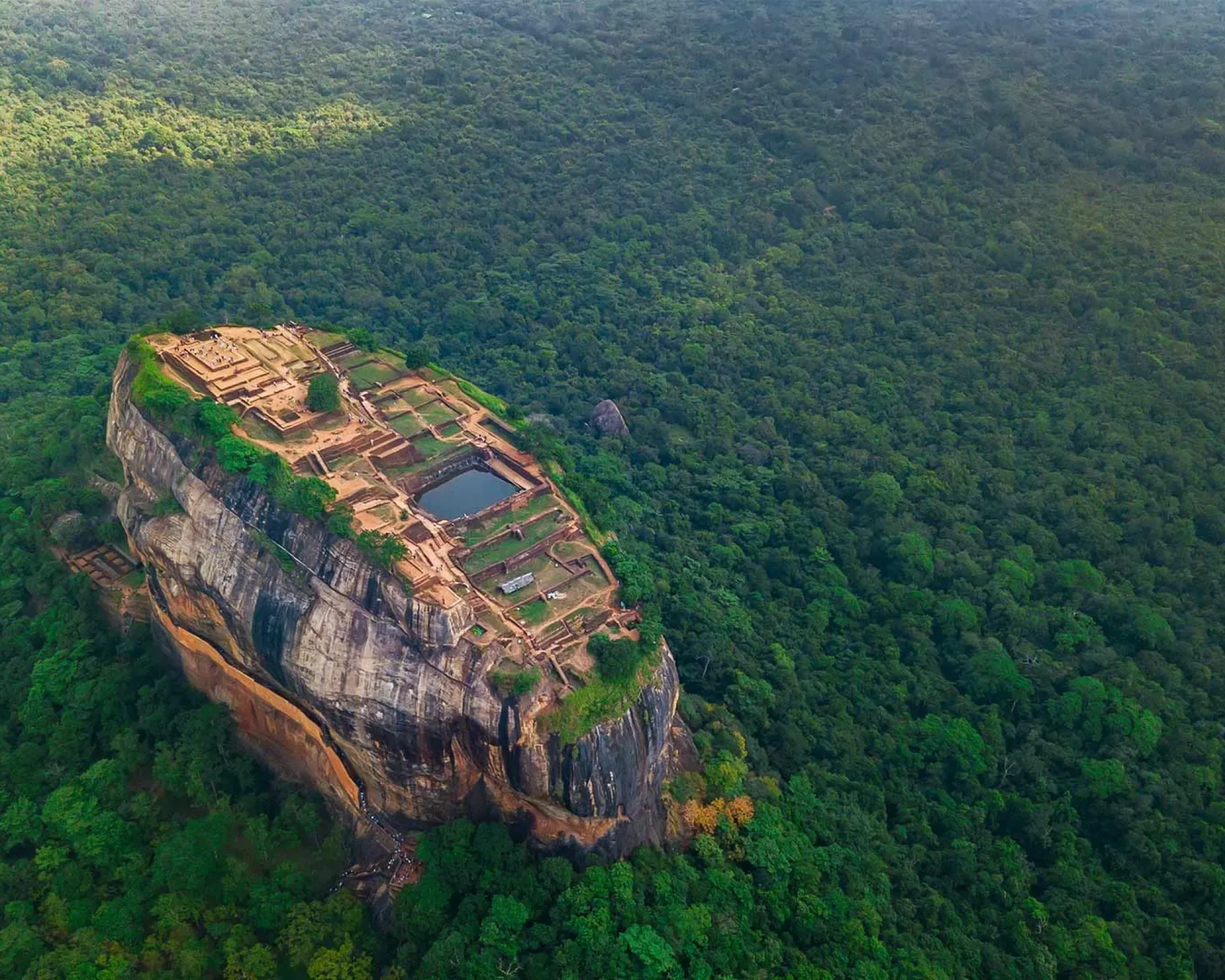
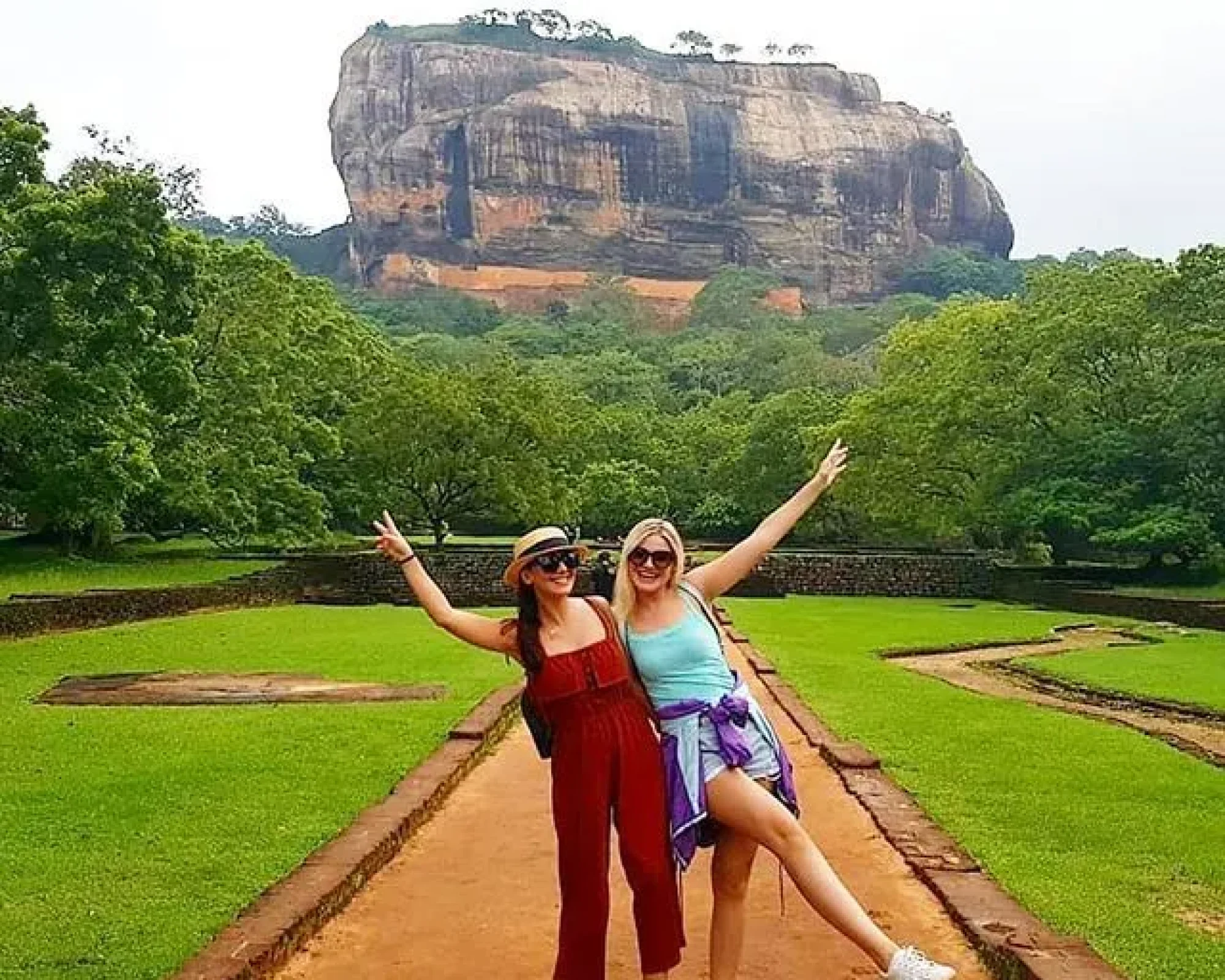
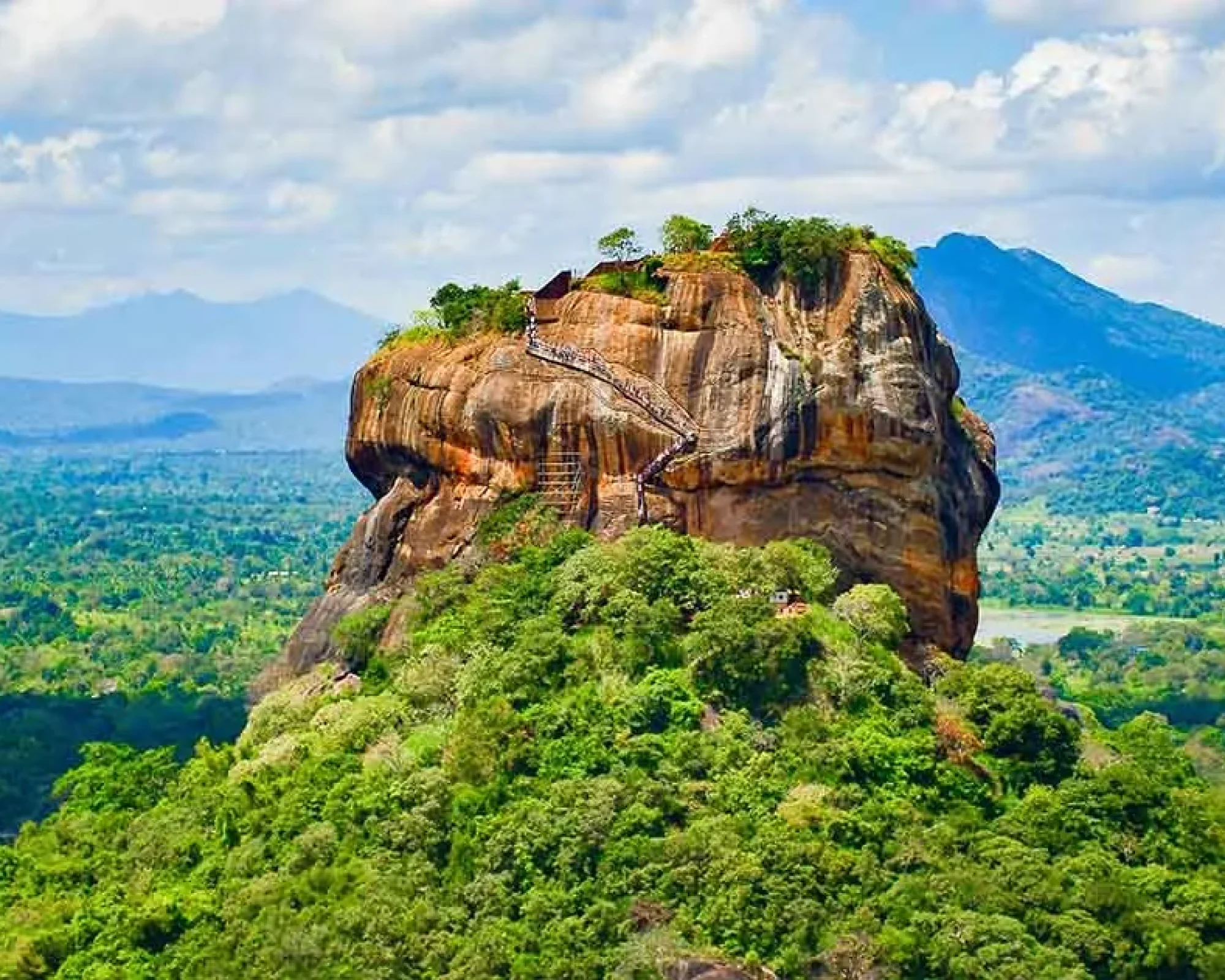
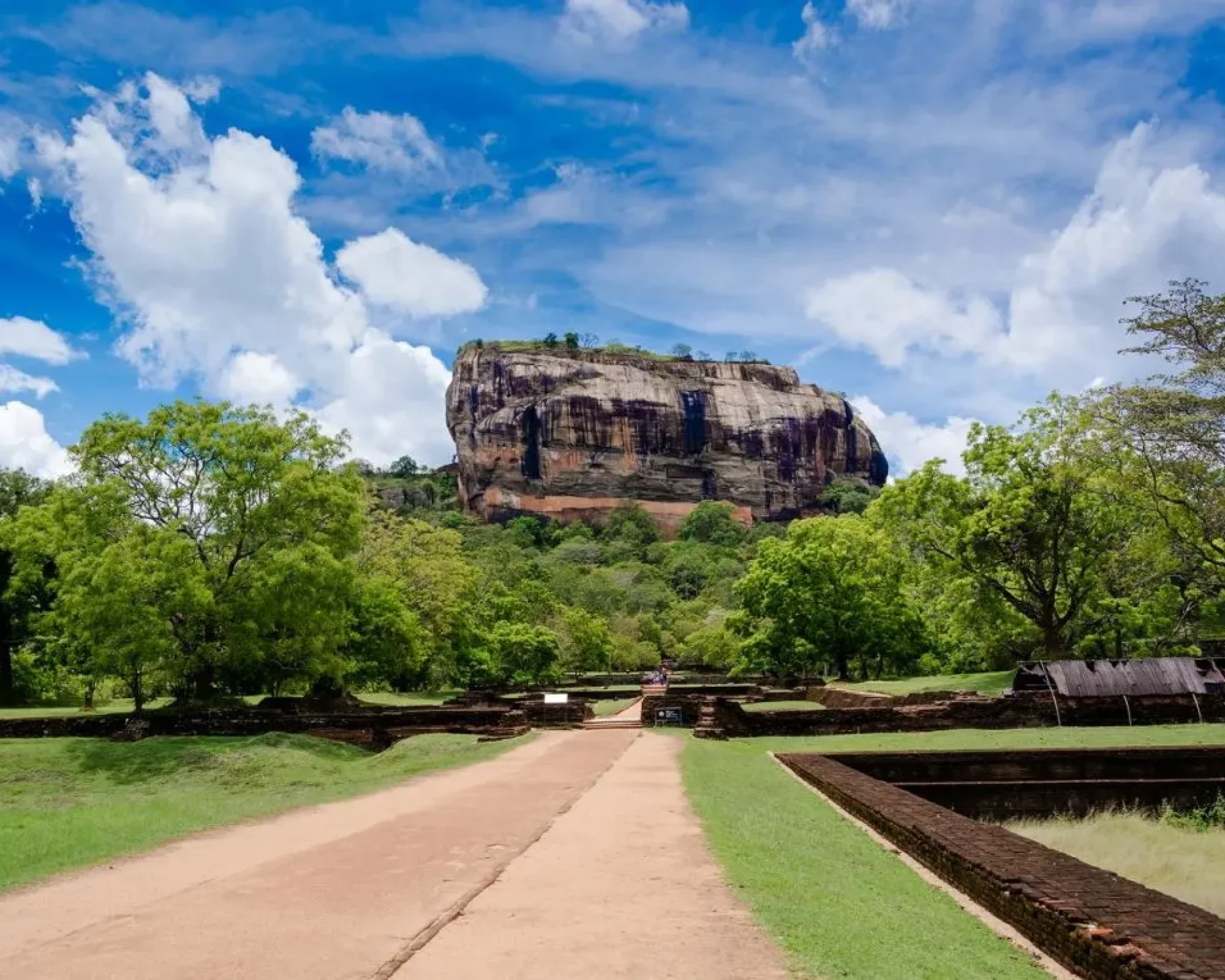
Sigiriya is one of Sri Lanka’s most important and well-known historical sites, located in the central part of the island. Commonly known as the Lion Rock, it is a massive rock rising high above the surrounding plains and is considered a masterpiece of ancient Sri Lankan engineering and design.
The rock fortress was built in the 5th century by King Kashyapa, who chose Sigiriya as his royal palace and stronghold. The entrance to the fortress was once shaped like a giant lion, and today only the massive lion paws remain, giving the site its popular name.
Sigiriya is famous for its carefully planned water gardens, fountains, and landscaped terraces at the base of the rock, which still function during the rainy season. As visitors climb the rock, they can see the Mirror Wall, once polished to a shine, and the world-famous Sigiriya frescoes, which display ancient paintings of graceful female figures.
At the top of the rock are the ruins of the royal palace, including foundations, pools, and stone structures. From the summit, visitors are rewarded with breathtaking views of the surrounding forests and countryside. Today, Sigiriya is a UNESCO World Heritage Site and a symbol of Sri Lanka’s rich history, culture, and architectural achievement.
Royal Ruins
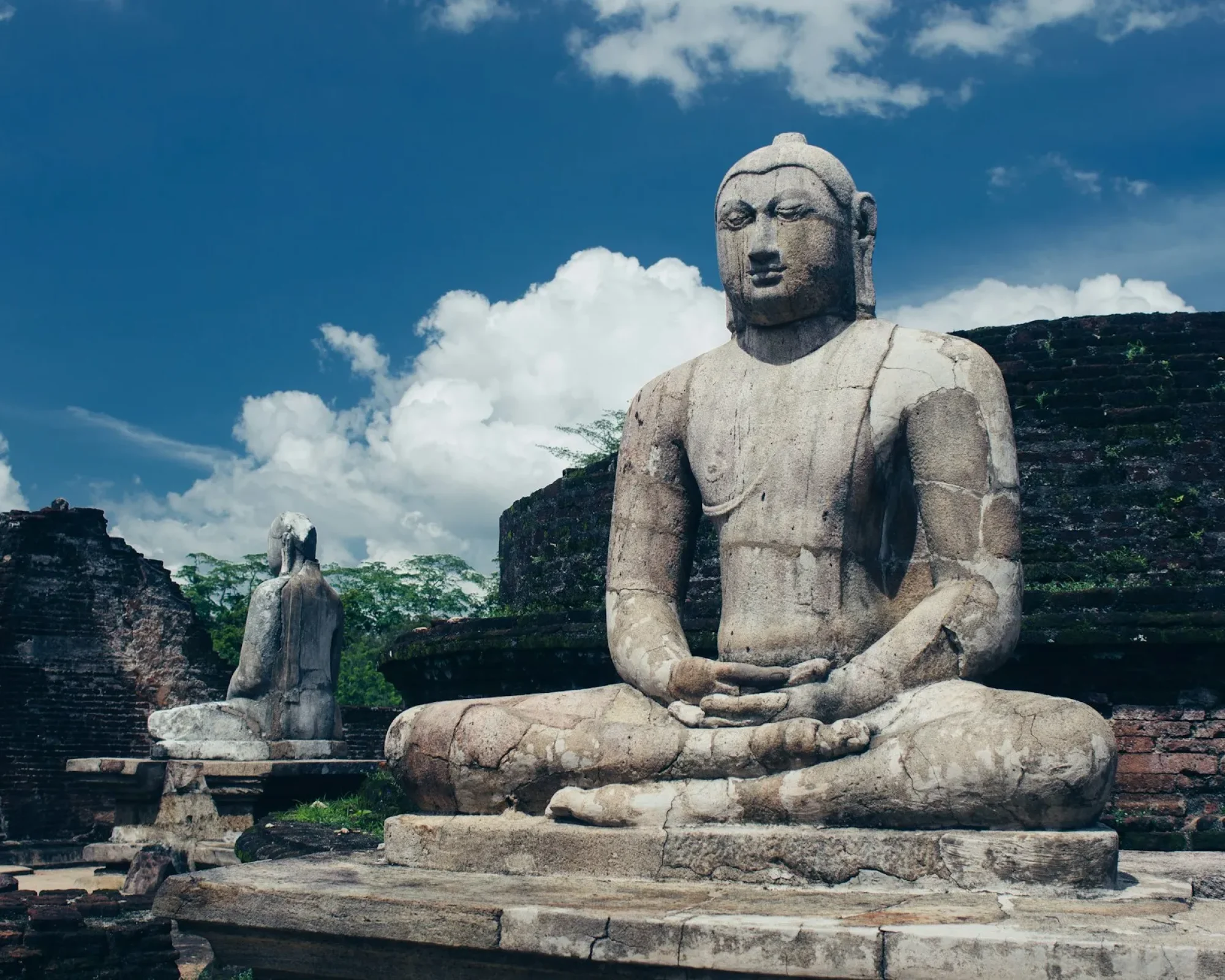
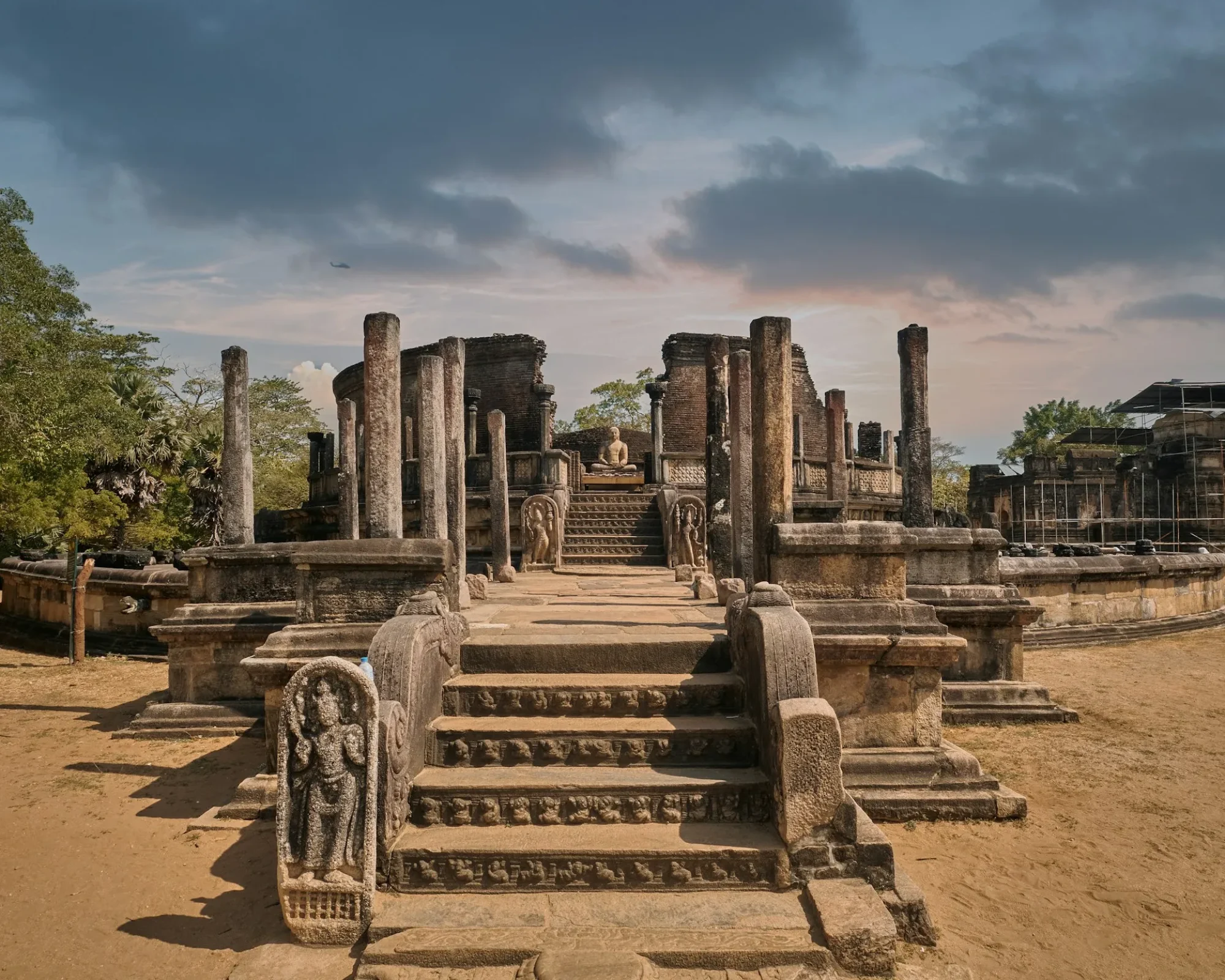
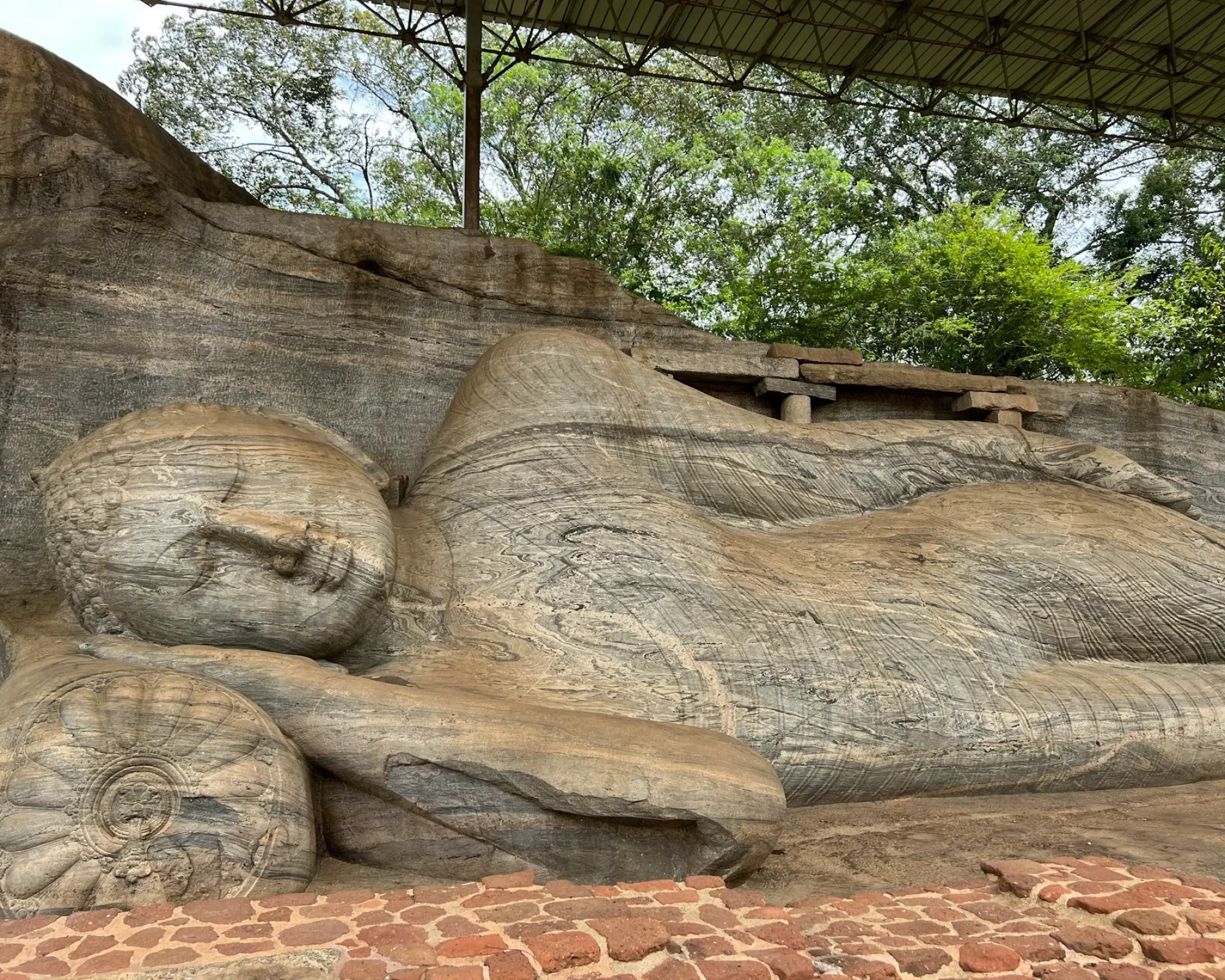
Polonnaruwa is a UNESCO World Heritage site located in Sri Lanka’s North Central Province. It served as the country’s capital from the 11th to 13th centuries and represents a golden era of ancient Sri Lankan history, culture, and engineering.
The city is renowned for its remarkably preserved ruins, including the Royal Palace, the Sacred Quadrangle, Vatadage, and the world-famous Gal Vihara, featuring impressive rock-cut Buddha statues carved from granite. These landmarks highlight the advanced architecture and craftsmanship of the Polonnaruwa Kingdom.
Polonnaruwa is also a major centre of Buddhist heritage, with ancient temples and monasteries that continue to attract pilgrims and visitors. Surrounded by lush greenery and vast reservoirs such as Parakrama Samudra, the city blends historical significance with natural beauty, offering an unforgettable experience for travellers exploring Sri Lanka’s past.
Sri Lanka’s Little England
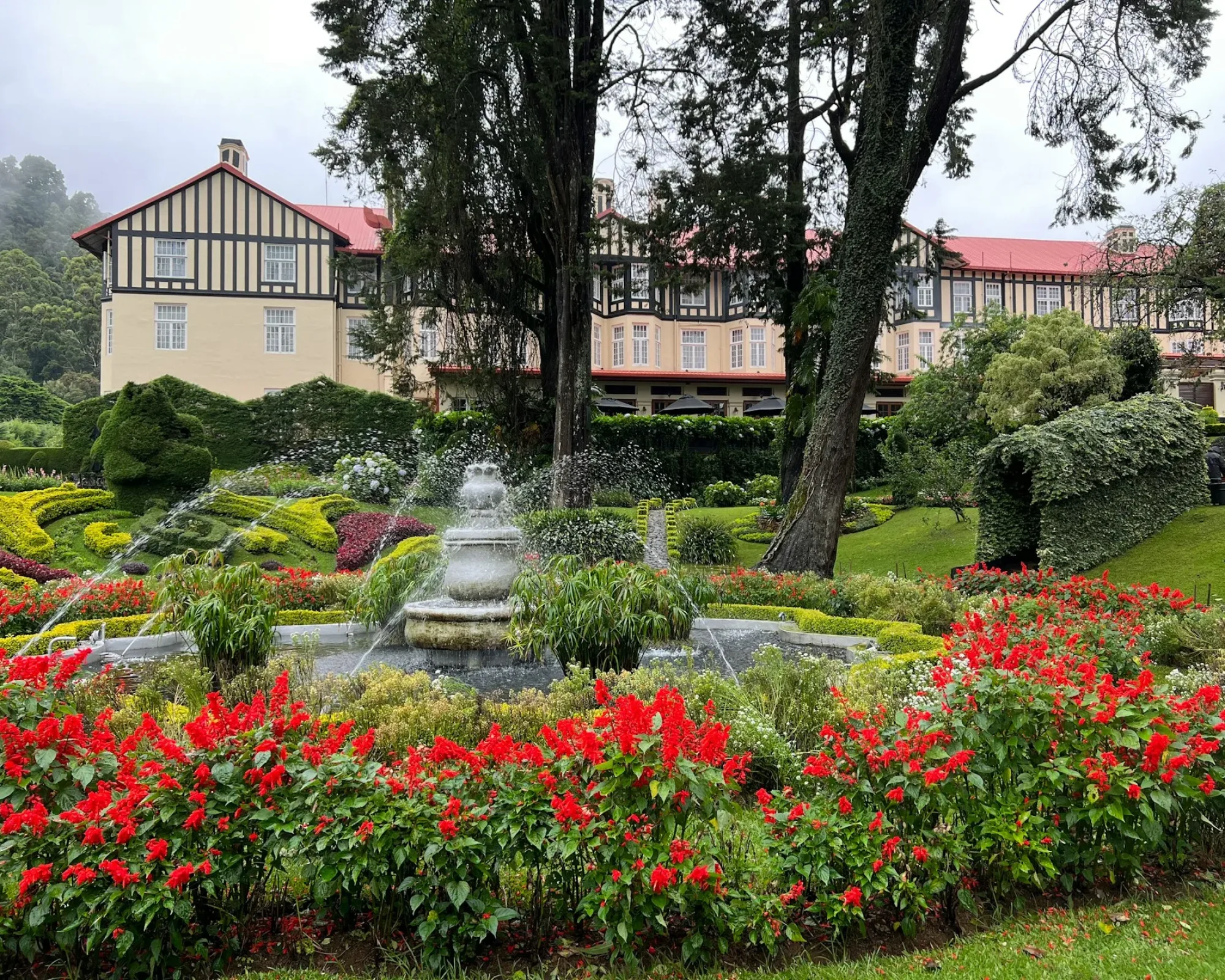
Nuwara Eliya is a scenic hill town located in Sri Lanka’s Central Highlands, known for its cool climate, misty mountains, and lush green landscapes. Often called “Little England,” the city features colonial-style buildings, well-kept gardens, and a calm, relaxing atmosphere.
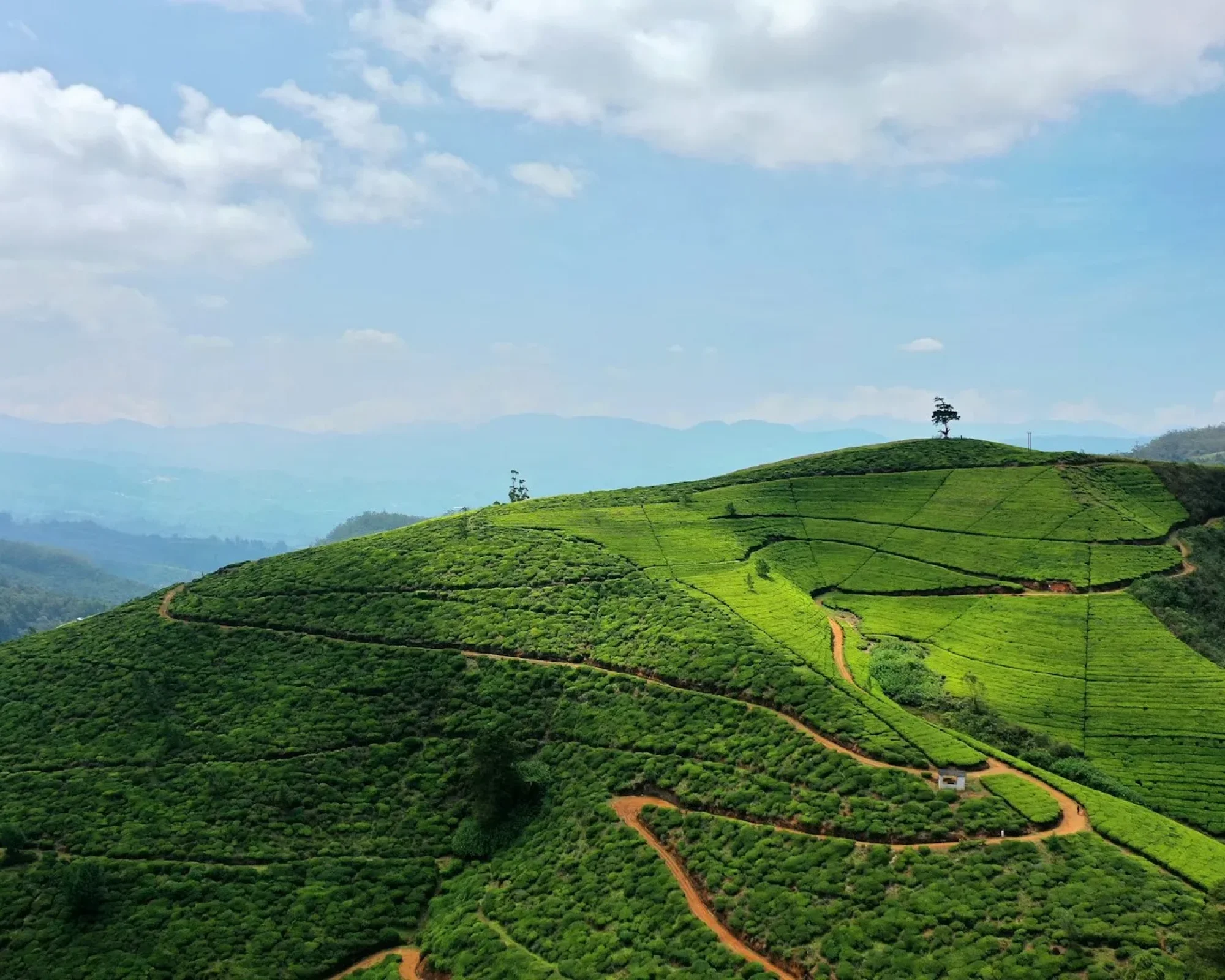
The region is famous for its vast tea plantations, producing some of the world’s finest Ceylon tea. Visitors can tour tea estates and factories to experience the tea-making process while enjoying breathtaking views of the hills.
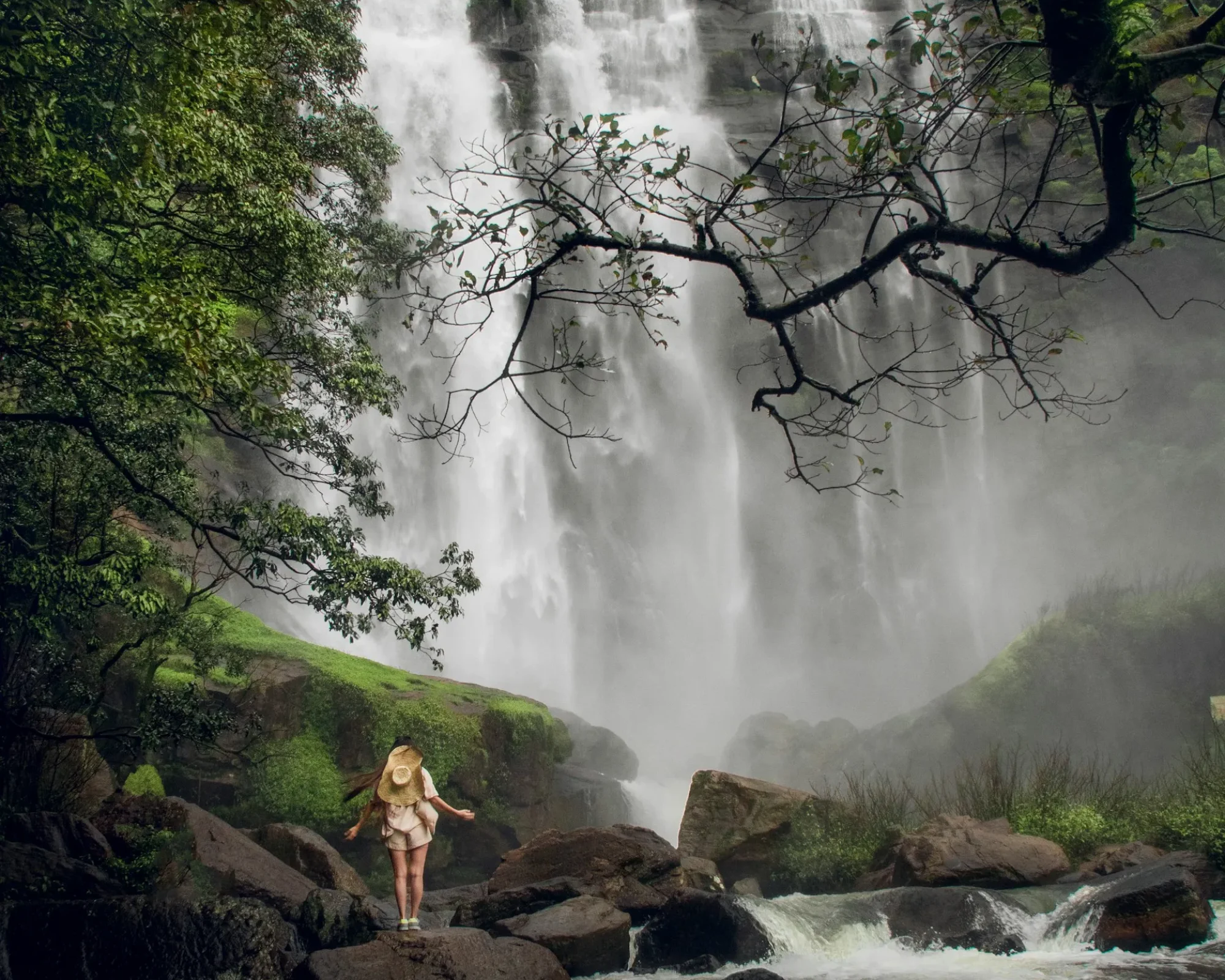
Nuwara Eliya is also a gateway to stunning natural attractions, including Gregory Lake, Hakgala Botanical Garden, and beautiful waterfalls. Nearby Horton Plains National Park is home to World’s End, a dramatic cliff with a sheer drop of nearly 900 meters, offering spectacular panoramic views.
With its cool weather, scenic landscapes, and unique natural attractions, Nuwara Eliya is a must-visit destination for nature lovers and travellers exploring Sri Lanka’s hill country.
A Scenic Hill Town in Sri Lanka
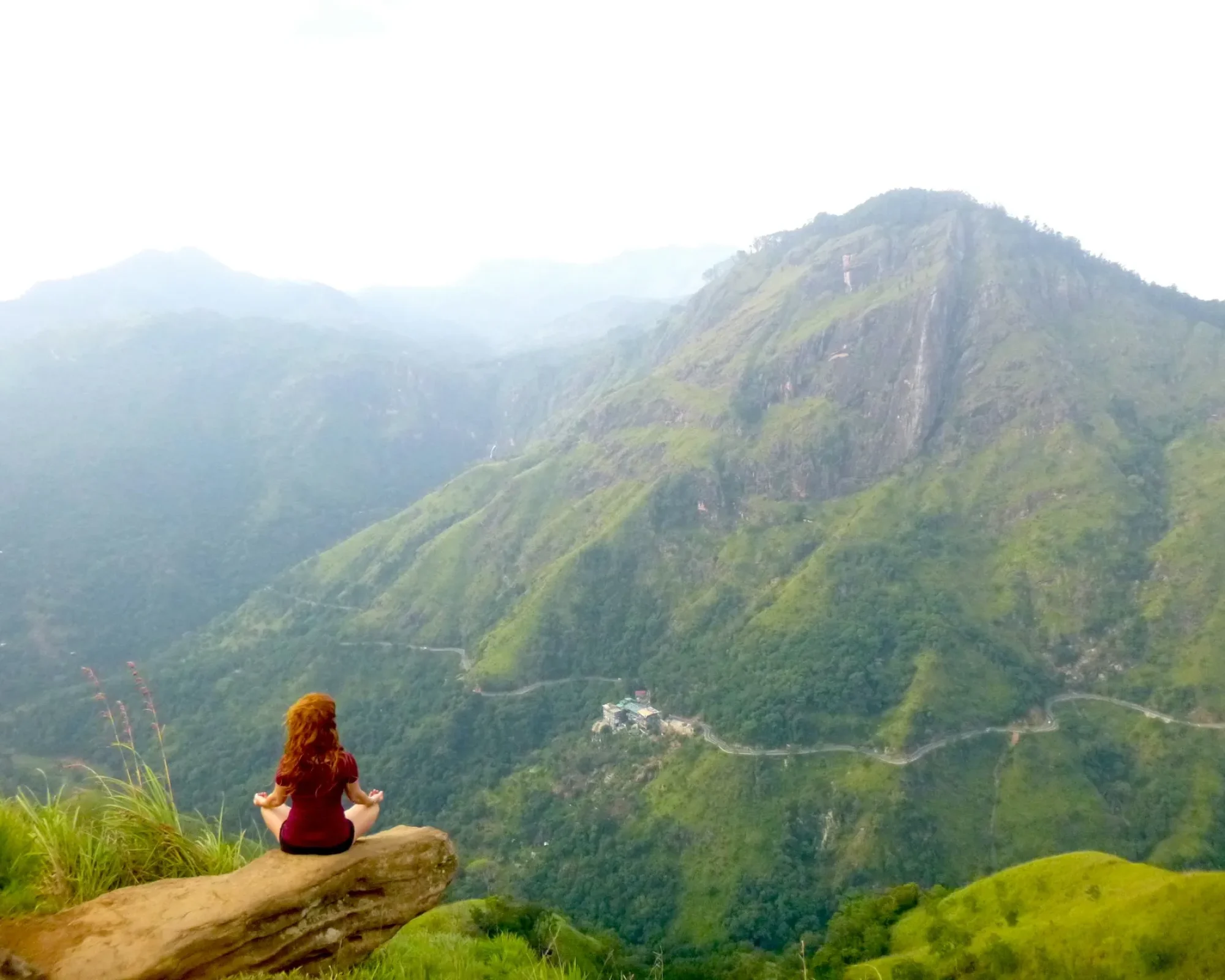
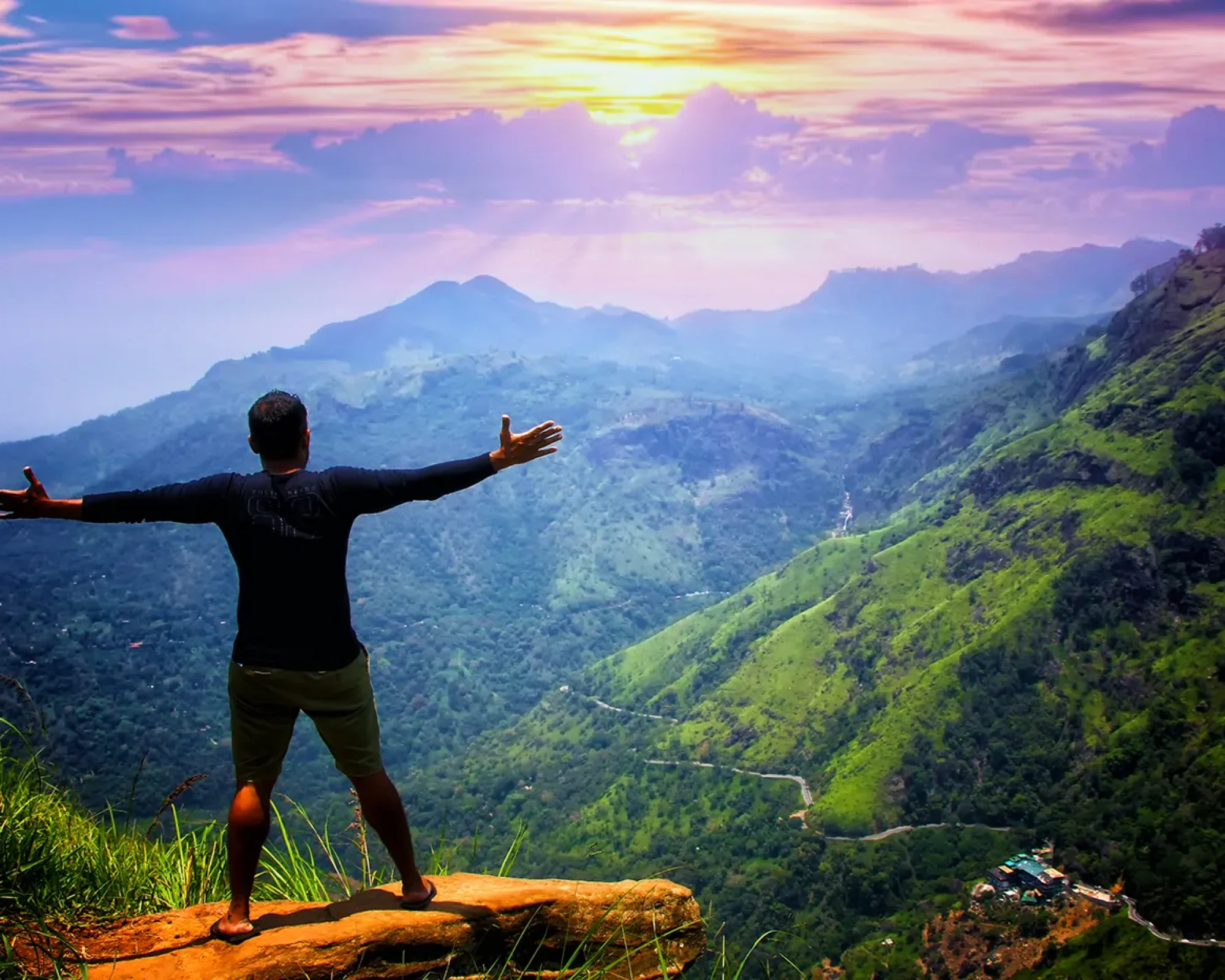
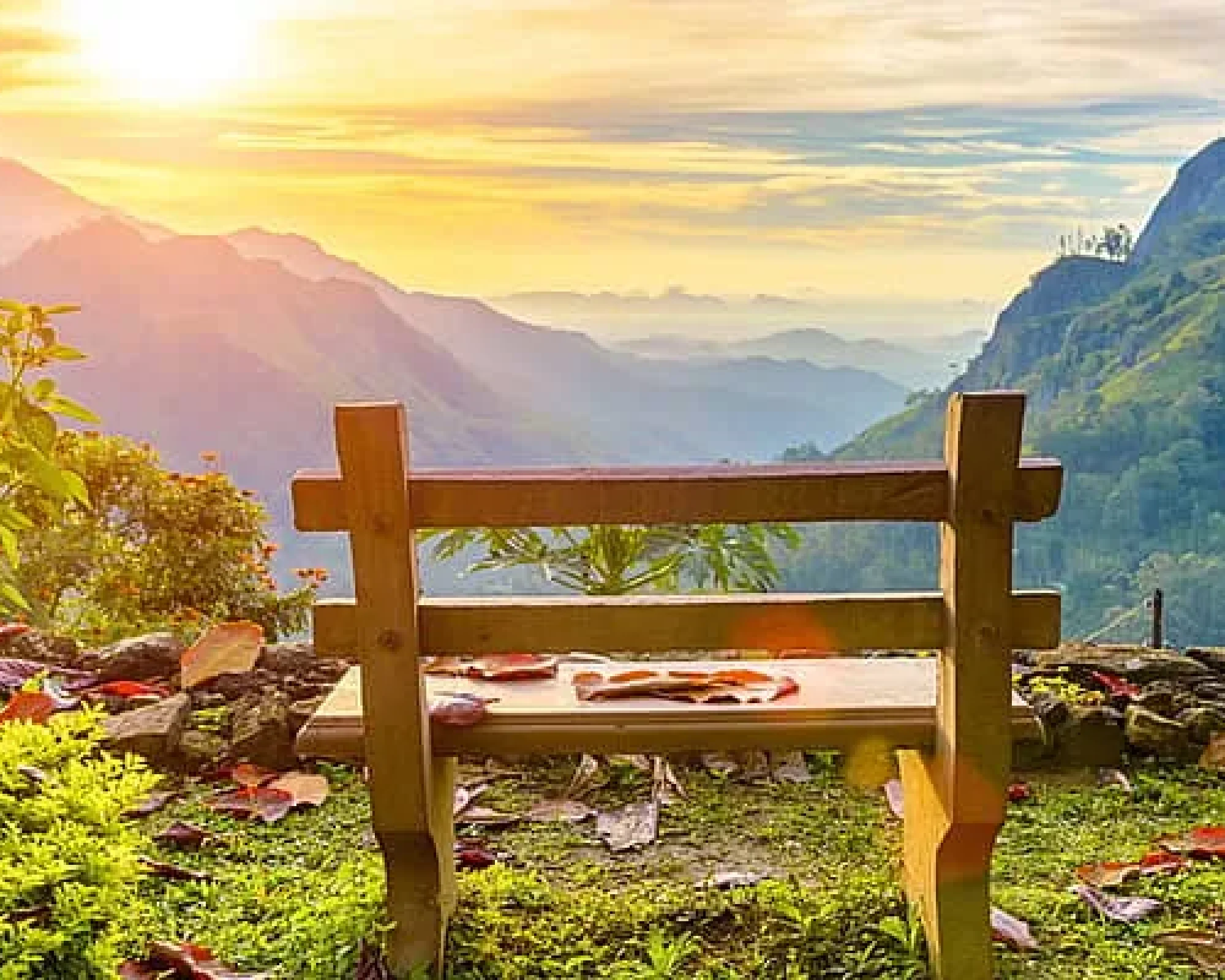
Ella is a charming small town nestled in Sri Lanka’s central highlands, renowned for its cool climate, lush greenery, and breathtaking mountain views. Surrounded by tea plantations, misty hills, and cascading waterfalls, it has become one of the most popular destinations for nature lovers and travellers seeking a peaceful escape.
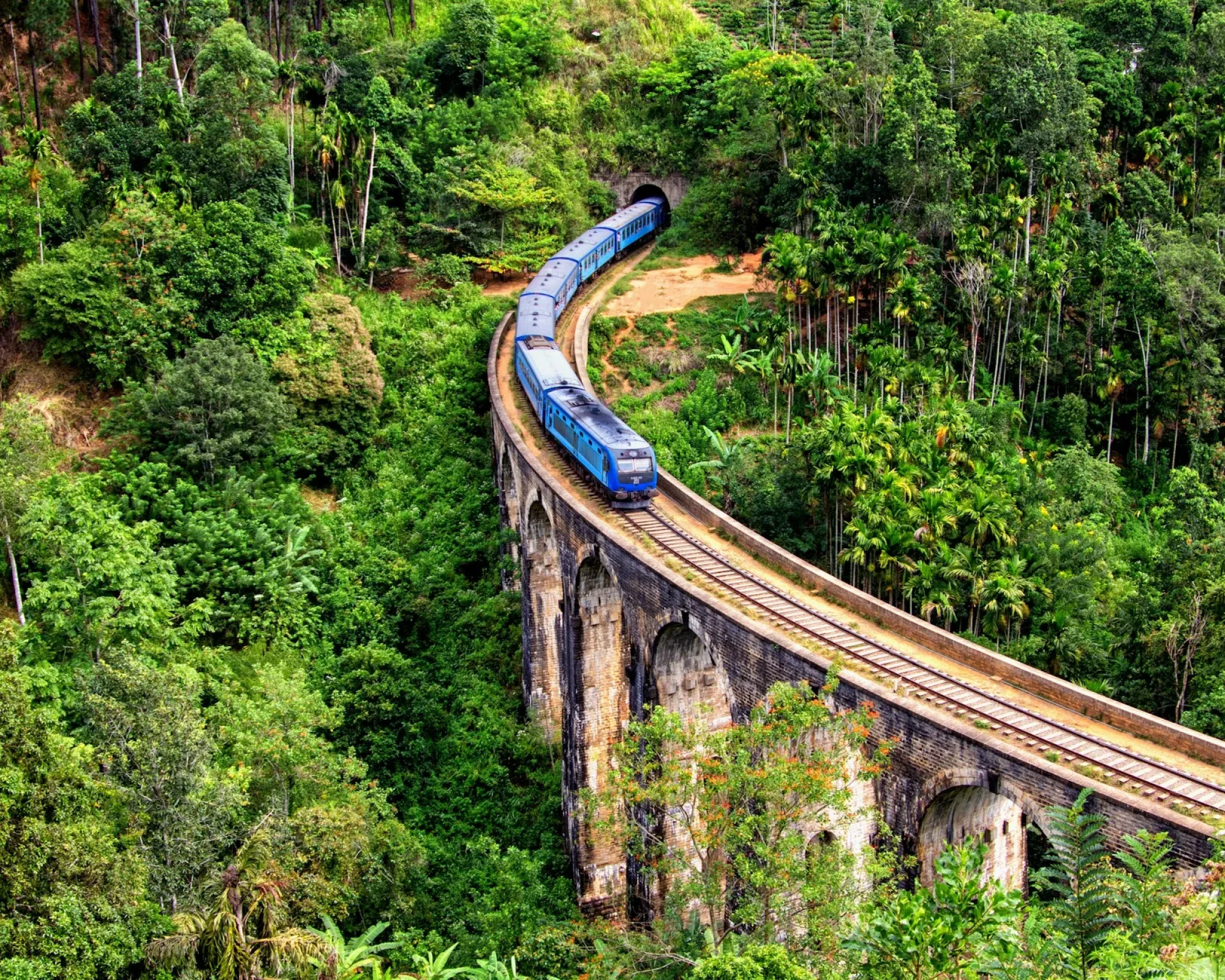
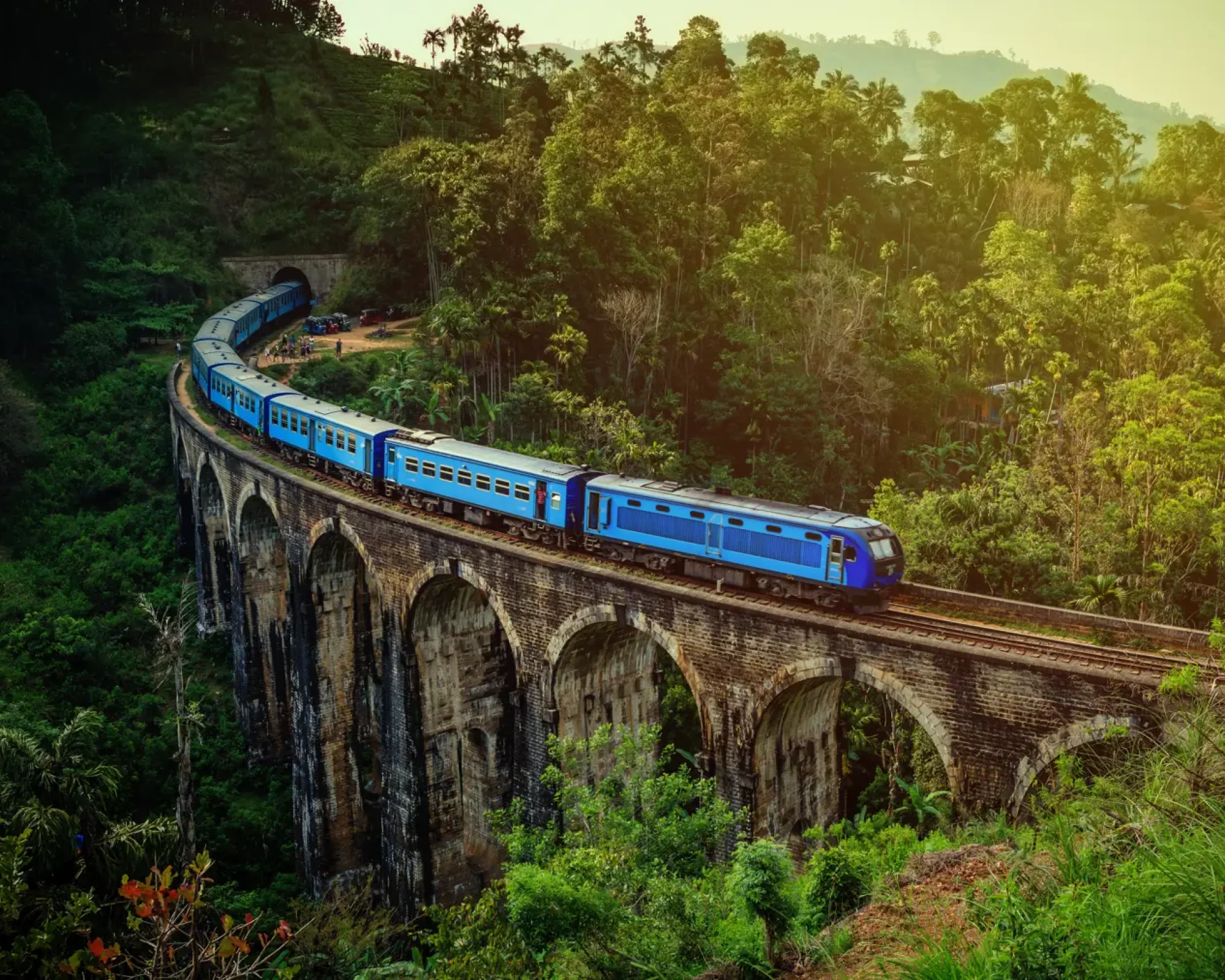
The town is famous for its hiking trails and natural landmarks. Ella Rock and Little Adam’s Peak offer panoramic views of the surrounding valleys and tea fields, while Ravana Falls provides a stunning spot for relaxation and photography. Another iconic attraction is the Nine Arches Bridge, an engineering marvel set amidst dense jungle and rolling tea plantations, perfect for capturing scenic shots.
Ella also offers opportunities for eco-tourism, wildlife spotting, and exploring rural villages, giving visitors a taste of authentic Sri Lankan highland life. With its combination of adventure, nature, and tranquillity, Ella is an ideal destination for travellers looking to experience the beauty and serenity of Sri Lanka’s hill country.
Elephant Orphanage
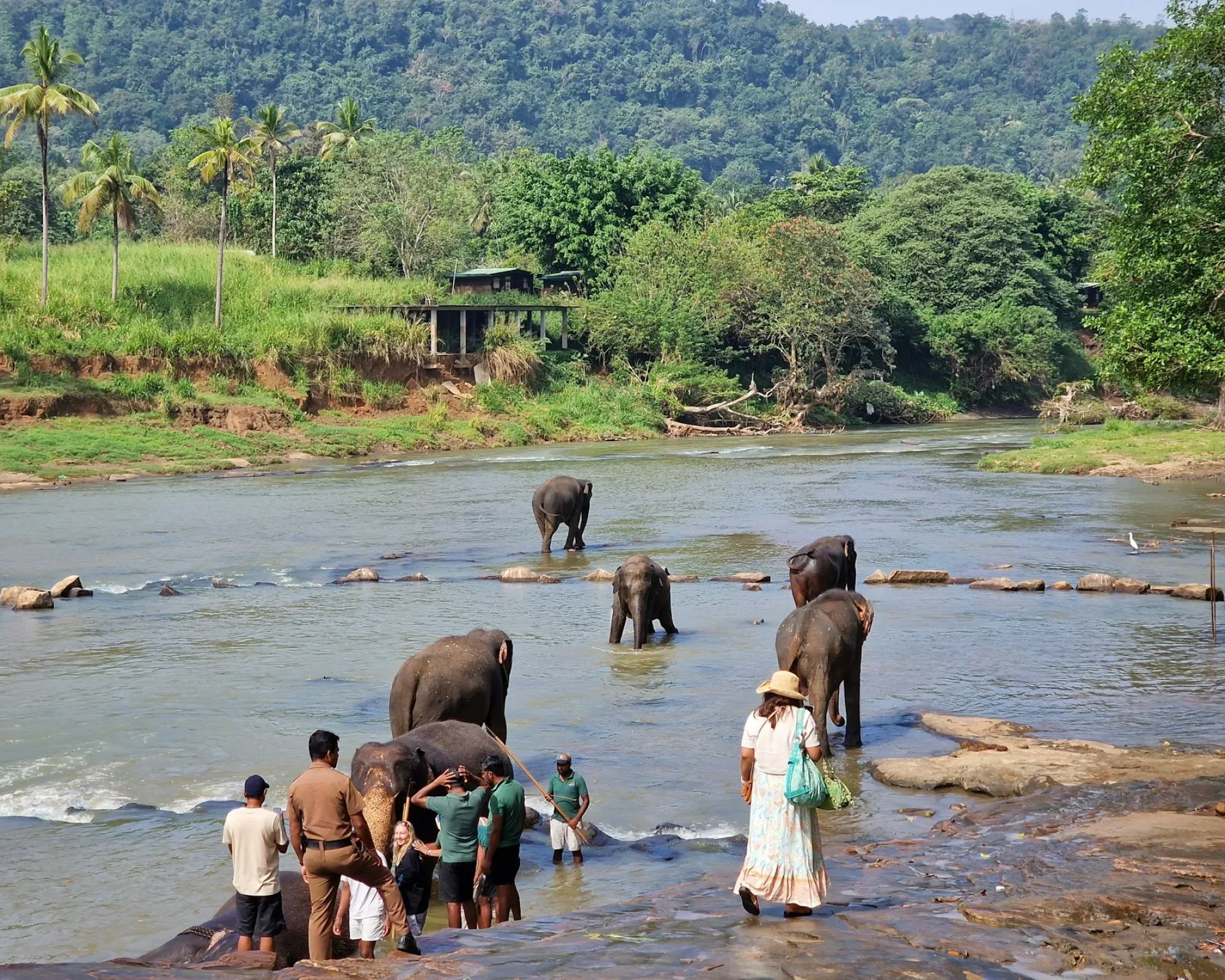
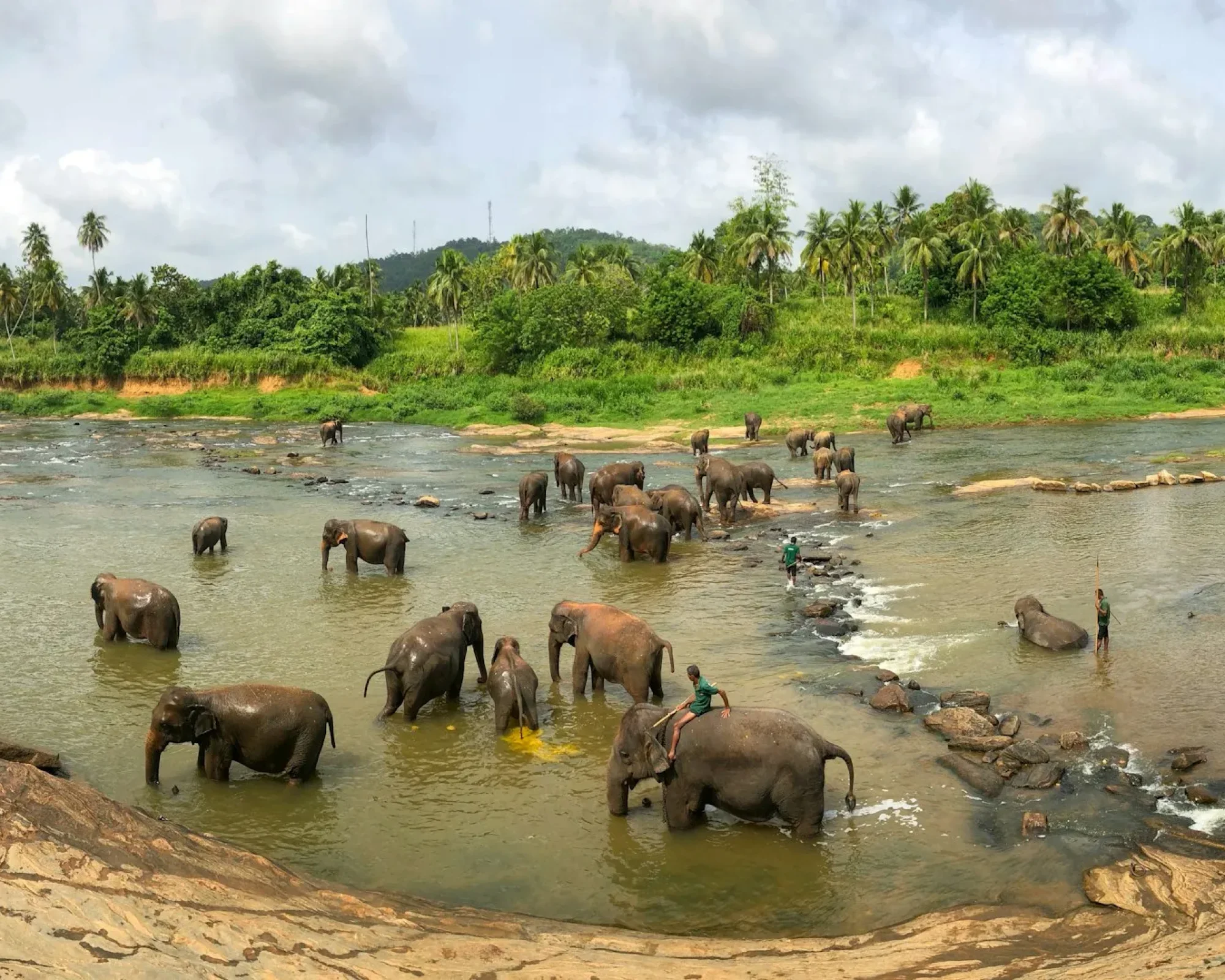
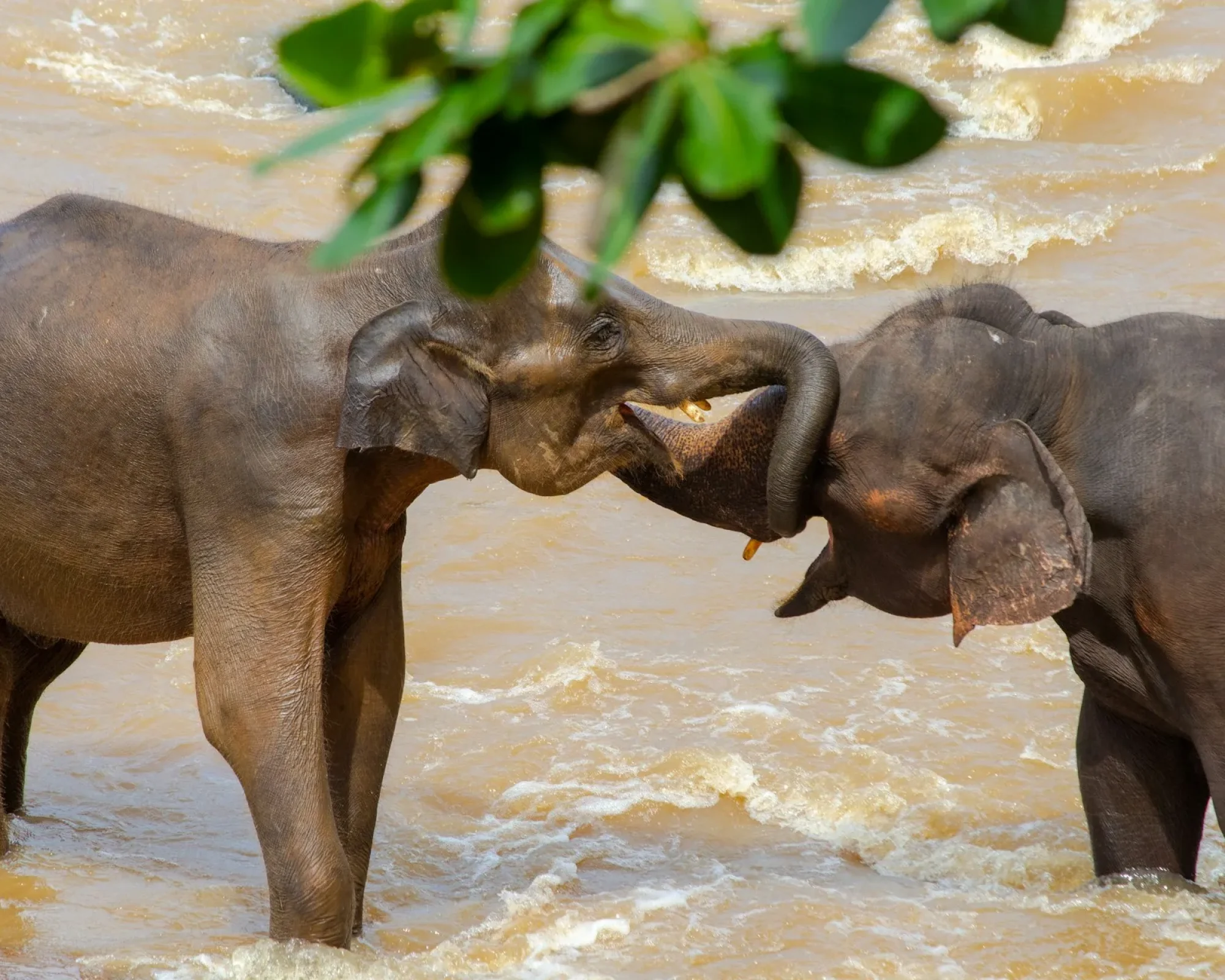
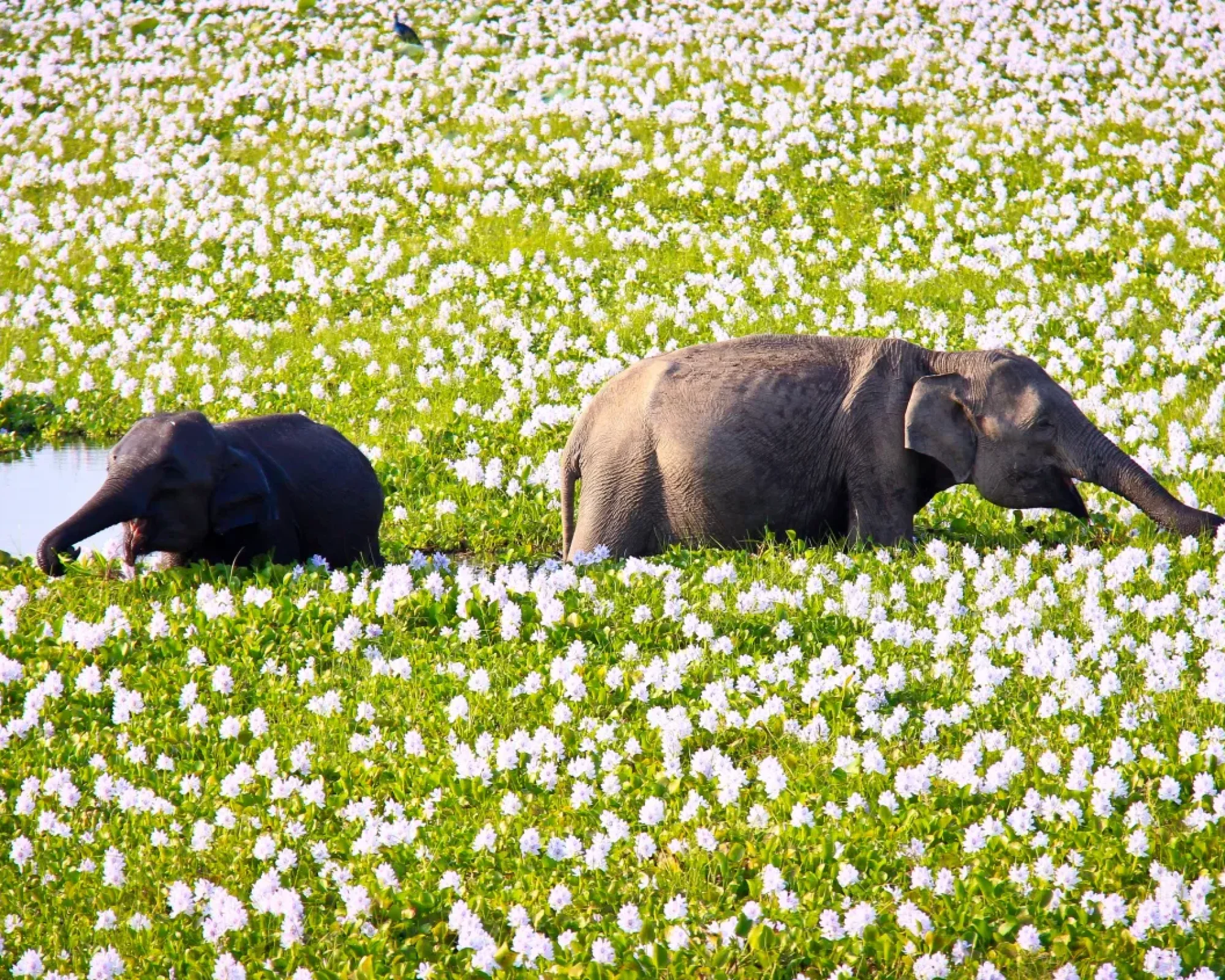
Pinnawala Elephant Orphanage, located in the village of Pinnawala between Colombo and Kandy, is Sri Lanka’s most famous elephant sanctuary. Established in 1975, it was created to care for orphaned, injured, and abandoned elephants. The orphanage is home to a large herd, including adult elephants and playful calves.
Visitors can watch elephants during their daily feeding and bathing sessions in the nearby river, which is a major highlight. Pinnawala also has a breeding program, so it’s common to see newborn elephants learning to walk and interact with the herd. While it is a tourist-friendly site, it provides a unique chance to observe elephants up close and learn about their care and conservation.
Elephant Transit Home (ETH)
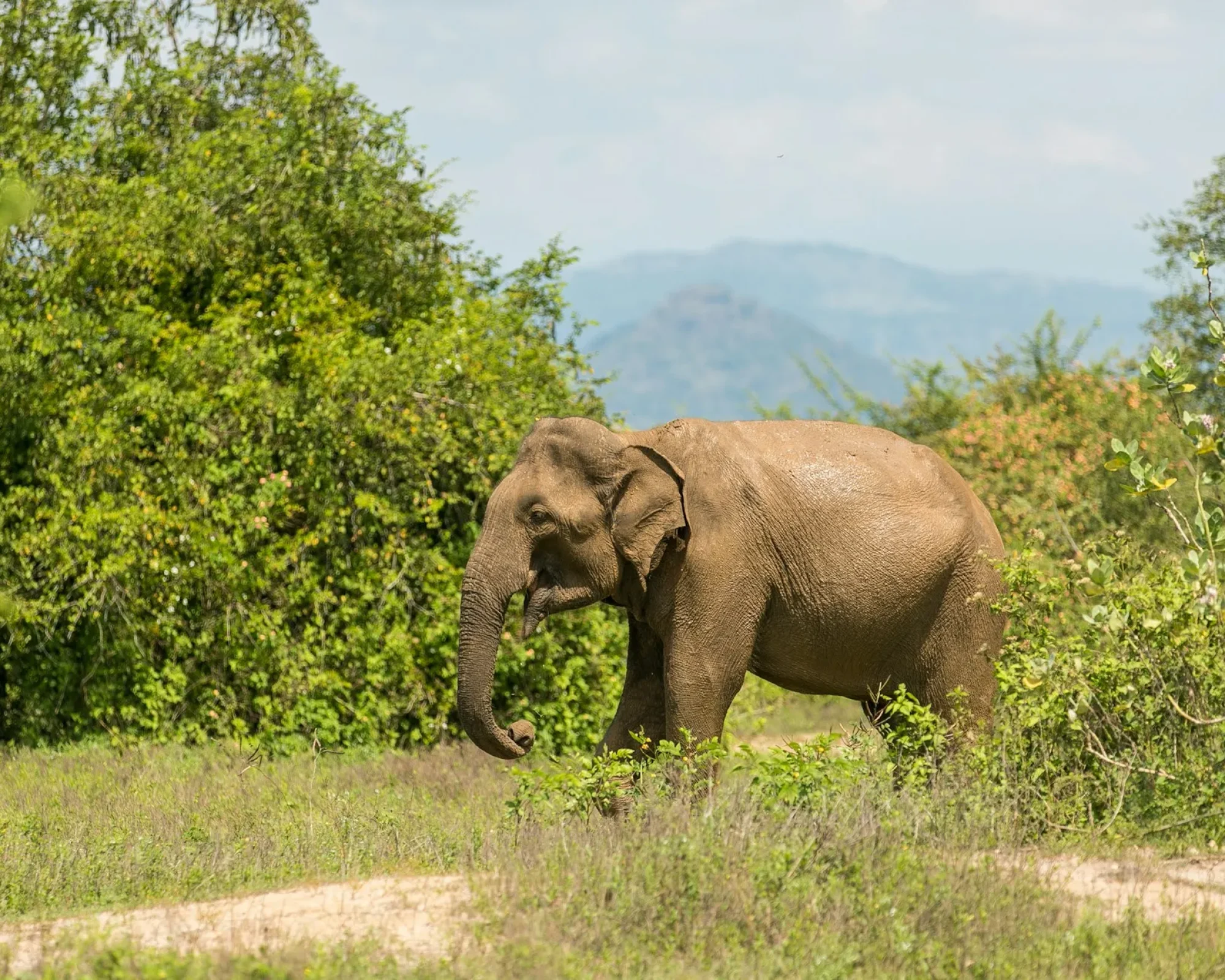
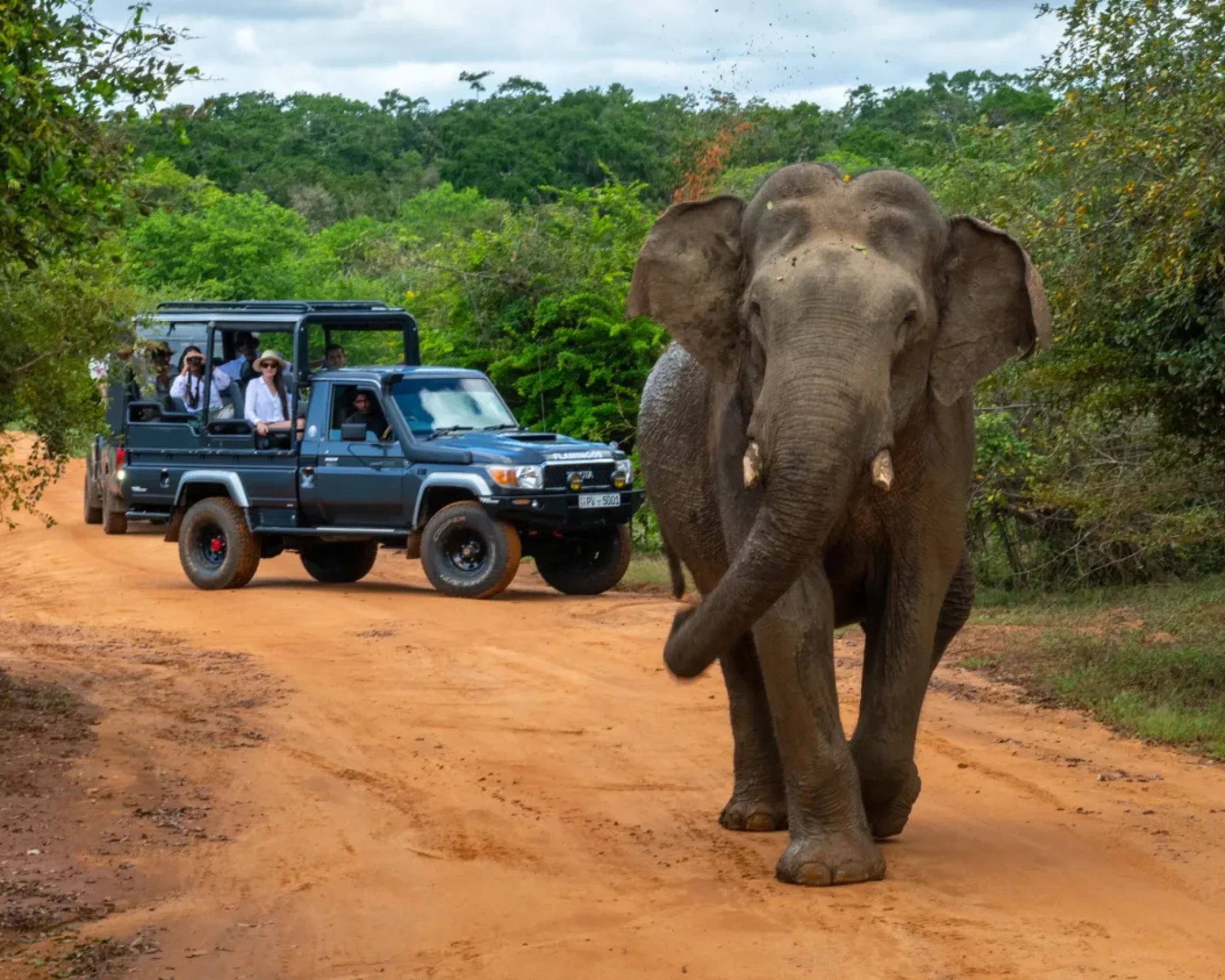
The Udawalawe Elephant Transit Home is located near Udawalawe National Park in southern Sri Lanka and focuses on the rehabilitation of orphaned wild elephant calves. Established in 1995 by the Department of Wildlife Conservation, ETH provides a safe and natural environment where young elephants are nurtured until they are old enough to be released back into the wild.
Unlike Pinnawala, Udawalawe prioritizes ethical conservation practices. Visitors can watch the calves during milk feeding sessions from a viewing platform, but they are not handled, ridden, or forced to perform. This allows the elephants to retain their wild behavior while still providing an educational experience for visitors.
Sri Lanka’s Historic Coastal City
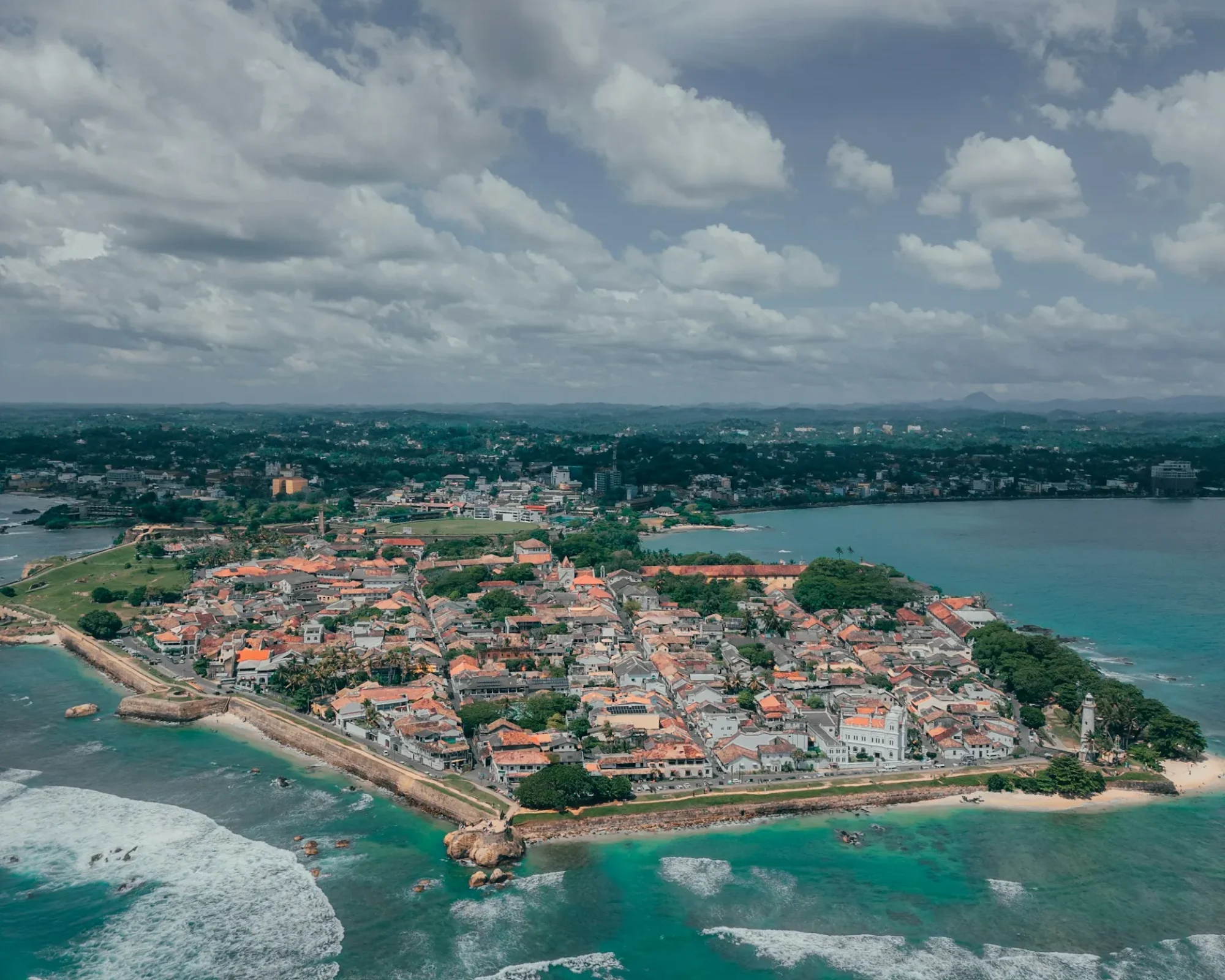
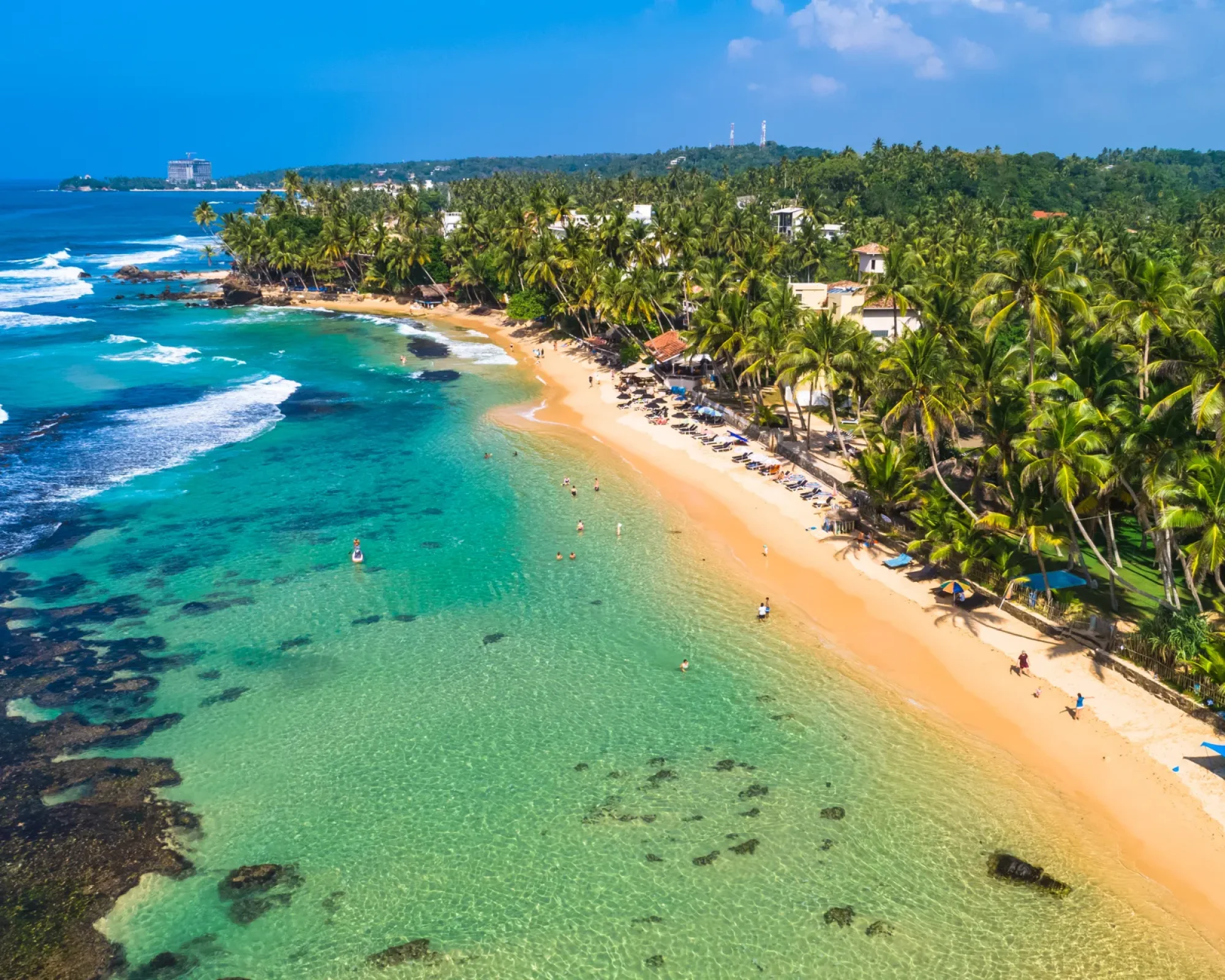
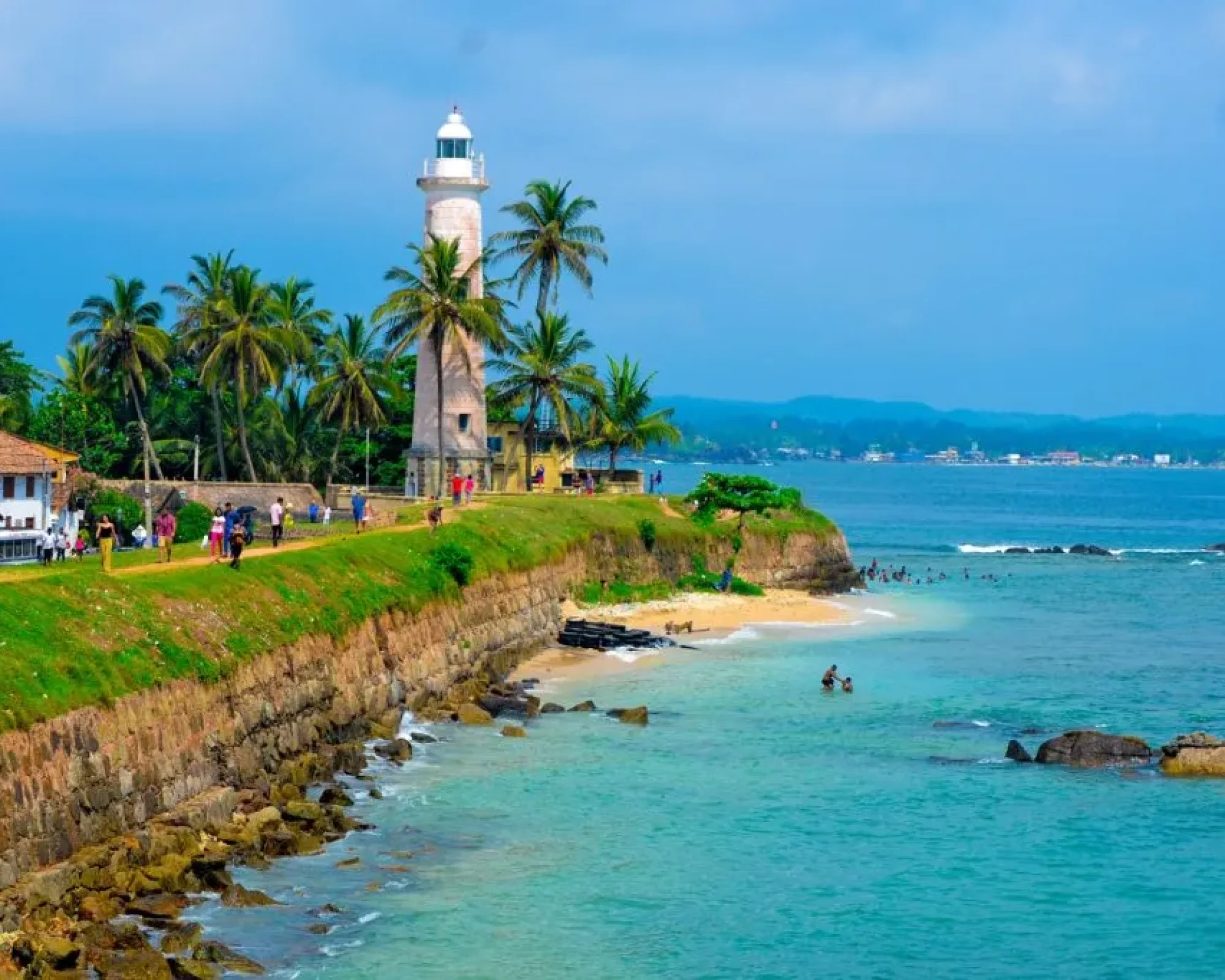
Galle is a vibrant city on Sri Lanka’s southern coast, known for its rich history, colonial architecture, and scenic coastline. It was a major port during the Portuguese, Dutch, and British periods, and today its European-influenced buildings and streets reflect that heritage.
The Galle Fort, a UNESCO World Heritage site, is the city’s centerpiece and one of the best-preserved colonial forts in Asia. Built by the Portuguese in the 16th century and expanded by the Dutch in the 17th century, the fort is a living museum with cobblestone streets, old churches, colonial mansions, museums, boutique shops, cafes, and art galleries. Visitors can walk along the fort walls, enjoy panoramic views of the Indian Ocean, and watch local fishermen along the coastline. The fort also hosts cultural events, art exhibitions, and markets, giving it a lively and modern atmosphere while preserving its historic charm.
Beyond the fort, Galle offers beautiful beaches, a bustling harbor, and vibrant local life. The combination of history, architecture, and seaside charm makes Galle a must-visit destination in Sri Lanka.
Quick Links
Contacts
Phone : +41 792 295 310
Email : info@edelweisssrilanka.com
Address 1 : Dorfstrasse, 59, 8424 Embrach, Switzerland
Address 2 : 26/1 Wewalagoda RD, Wewala, Hikkaduwa, Sri Lanka.
 EN
EN  FR
FR  DE
DE  RU
RU WhatsApp us